
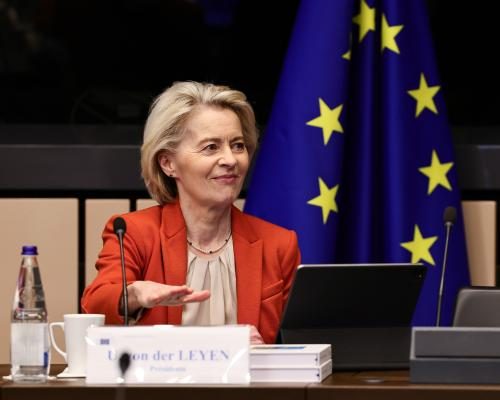
Ursula von der Leyen, President of the European Commission, cautioned that the repercussions of the ongoing conflict in Iran could resonate across Europe for months or even years. Speaking to EU lawmakers, she emphasized the urgent need for diplomatic efforts to restore peace and stability in the region, highlighting the fragility of the current geopolitical climate.
Economic Implications of the Iran Conflict
In her address, von der Leyen pointed out that the conflict in Iran is the second energy crisis Europe has faced in just four years. She noted, "Our overdependency on imported fossil fuels makes us vulnerable," urging EU member states to reduce reliance on external energy sources. Von der Leyen stressed the importance of boosting Europe's domestic clean energy supply, advocating for a diverse energy mix that includes renewables and nuclear power. She warned that the effects of the Iranian conflict could lead to further instability in energy markets, exacerbating existing challenges. Originally reported by The Guardian.
Addressing the intricate relationship between energy supply and geoPolitical Tensions, von der Leyen remarked that "the consequences of this conflict may echo for months or even years to come." This concern highlights the interconnectedness of international relations and energy security, as rising tensions in one part of the world can disrupt markets and economies globally.
Support for Ukraine Amid Ongoing Challenges
Von der Leyen also provided an update on the EU's financial commitment to Ukraine, confirming the approval of a €90 billion loan. With Hungary lifting its veto, the first tranche of €45 billion is expected to be disbursed in the current quarter. "Our message is clear: we will continue our support to the brave Ukrainian people and their armed forces," she declared. This support is critical as Ukraine continues to face aggression from Russia, with von der Leyen reaffirming the EU's resolve to stand by its Eastern neighbor.
The EU's strategy appears to be twofold: addressing immediate humanitarian and military needs while simultaneously preparing for the broader economic impacts of multiple conflicts. Von der Leyen's remarks reflect an understanding that the ripple effects of the Iranian conflict and the war in Ukraine may compound existing pressures on European economies.
Challenges in Energy Coordination Across Europe
In her speech, von der Leyen acknowledged the diverse energy profiles of EU member states, stating that "every member state has a different energy mix." This complexity presents challenges in implementing a unified energy strategy, especially as markets tighten for essential fuels. She called for enhanced coordination on fuel reserves, particularly for jet fuel and diesel, and emphasized the need for targeted interventions to protect the most vulnerable households and industries.
"We must reduce our overdependency on imported fossil fuels and boost our home-grown, affordable, clean energy supply," she asserted. Von der Leyen's advocacy for systemic reforms in energy use aligns with a broader goal of economic security and independence. Her vision includes modernizing energy infrastructures and transitioning towards electric solutions across various sectors, including transportation and heating.
Geopolitical Landscape and Digital Iron Curtain
In a broader geopolitical context, von der Leyen expressed concerns regarding Russia's increasing isolation due to sanctions, likening the situation to a "digital iron curtain." She stated, "The Kremlin responds in an unusual way by restricting the internet and free communication," suggesting that the Russian populace is experiencing a significant curtailment of liberties. This digital divide further complicates the landscape, as it impacts not only internal dynamics within Russia but also its relations with the West.
Amid these tensions, a Kazakh man identified as Sergei K was arrested in Germany for allegedly spying for Russia, including attempts to gather intelligence on Germany's military infrastructure and support for Ukraine. This incident underscores the ongoing security challenges Europe faces amidst a backdrop of heightened geopolitical strife.
As Europe navigates these turbulent waters, von der Leyen's message is clear: the EU must remain vigilant and proactive in addressing both immediate and long-term challenges. Her call for unity and strategic planning is a crucial part of the EU's response to the evolving landscape, ensuring that Europe is prepared to meet the challenges ahead in a rapidly changing world.
Originally reported by The Guardian. View original.