
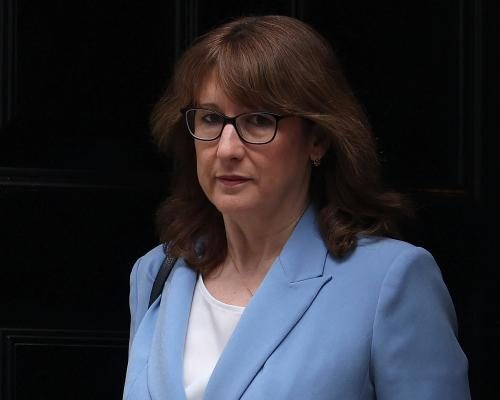
The UK government has assured citizens that there is no current fuel shortage, despite rising concerns over energy prices linked to the ongoing conflict in Iran. As Chancellor Rachel Reeves prepares to address Parliament regarding the government's economic response to soaring global energy costs, political tensions within the Labour Party have emerged, particularly regarding candidate selections for upcoming elections.
Labour Party Tensions Surface Over Candidate Selection
Lisa Nandy, the Culture Secretary, recently voiced her disapproval of the Labour Party's decision to prevent Andy Burnham from standing as a candidate in the Gorton and Denton byelection. In an interview with the House magazine, she emphasized the importance of allowing party members to choose their representatives. "I think it is right that members are allowed to make their own choices about who they want to be their candidates in elections," Nandy stated. While she acknowledged the National Executive Committee's (NEC) reasoning that Burnham should focus on his role as the Mayor of Greater Manchester, she underscored the value of internal democracy within the Labour Party. "[Labour members] deserve to be in the driving seat of their own lives, and it offends me when people are not," she added, reflecting her commitment to enabling member choice. Originally reported by The Guardian.
Liberal Democrats Position Against Division
In a contrasting political stance, Ed Davey, the leader of the Liberal Democrats, is set to launch his party's local elections campaign, focusing on unity and community issues. His speech, Released in advance, criticizes the divisive tactics of some political factions, particularly Reform UK, which he accuses of attempting to import a "nasty style of politics" akin to that of former U.S. President Donald Trump. "Some politicians would rather divide our communities than fix them," Davey remarked, emphasizing the importance of addressing local concerns over partisan squabbles. He highlighted the need for practical solutions to everyday problems, saying, "We do potholes and police officers, doctors' appointments, and cleaning up dirty rivers." By framing the Liberal Democrats as a party committed to constructive politics, Davey aims to distinguish his platform from those that prioritize division over problem-solving.
Government Plans for Energy Support Amid Global Crisis
As the UK grapples with rising energy prices exacerbated by the conflict in Iran, Energy Minister Michael Shanks confirmed that the government is focusing on a targeted energy support package. In a recent interview on Times Radio, he stated that the objective is to direct assistance to those who need it most, rather than implementing a universal support scheme. "We're looking at every option," Shanks said, asserting that targeting support would be the "most efficient use of public money." He acknowledged the uncertainty surrounding the ongoing conflict, which has created anxiety over energy availability and costs, saying, "We are looking really carefully at what that longer term support needs to be."
Concerns Over Domestic Energy Production
Despite assurances from the government, an energy trade body has warned that inadequate investment in domestic oil and gas production could leave the UK increasingly dependent on imports amidst global instability. This situation raises questions about the country's energy Security, particularly as the government faces pressure to respond to fluctuating energy prices. In her upcoming statement to MPs, Chancellor Rachel Reeves is expected to outline the government's plan in response to the soaring energy prices triggered by the Iran war. Previous measures during the energy crisis following Russia's invasion of Ukraine saw the government spending £40 billion to support households and businesses. However, with resources tighter now, Reeves's challenge lies in balancing immediate support with long-term energy strategies.
As the UK enters a critical phase in its energy policy, the government's focus on potential profiteering by oil companies and the need for increased nuclear power generation highlights the urgency of addressing energy security. Reeves is also likely to propose new powers for the Competition and Markets Authority to tackle any unfair pricing strategies by energy providers. With the energy price cap set to expire at the end of June, the government is under pressure to devise strategies that will protect consumers from escalating costs, all while navigating the complex political landscape.
Originally reported by The Guardian. View original.