
As tensions escalate in the Middle East, Iran has declared the need for "credible guarantees" against attacks from the US and Israel before it can guarantee stability in the Gulf region. This statement comes amidst a backdrop of renewed hostilities, particularly involving Israeli airstrikes in southern Lebanon despite a purported ceasefire.
Israeli Airstrikes Disrupt Ceasefire Efforts
Israeli forces resumed shelling in southern Lebanon, with reports indicating that Israeli warplanes conducted three airstrikes on the town of Zawtar al-Sharqiyah at 6 AM local time. The Lebanese national news agency reported additional strikes in Bint Jbeil, a location roughly 5 kilometers north of the Israeli border, which has become a hotbed of conflict between Israeli troops and Hezbollah militants. Israel claims these strikes target Hezbollah operatives, asserting a right to self-defense as outlined in a ceasefire agreement effective since April 16, 2023. This agreement, however, was negotiated with the Lebanese state, not directly with Hezbollah, which complicates the situation further. Originally reported by The Guardian.
According to the Lebanese health ministry, the ongoing Israeli military actions have resulted in the deaths of at least 2,521 individuals since March 2, including many women and children. The latest round of violence was ignited by Hezbollah's missile attacks on Israel in early March, following US-Israeli airstrikes on Iran, that subsequently led to an Israeli invasion and ongoing military presence in parts of Lebanon.
Iran's Oil Crisis Intensifies Amid Blockades
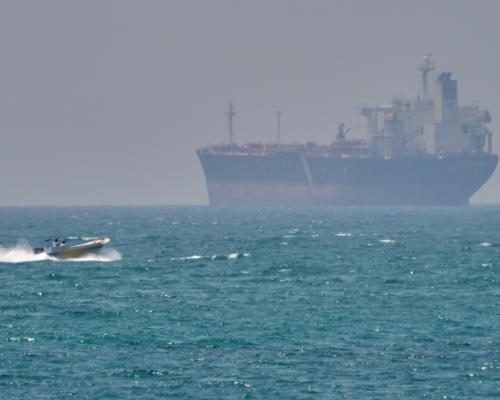
Simultaneously, the US has imposed a blockade on the Strait of Hormuz, vital for global oil transport, resulting in significant impacts on Iran's oil production. US Treasury Secretary Scott Bessent has warned that Iran's oil industry is on the verge of collapse, stating, "Pumping will soon collapse. Gasoline shortages in Iran next." This blockade has severely restricted Iranian oil exports, causing rising inflation and food prices within the country.
In retaliation to the US-Israeli attacks, Iran has tightened control over the Strait of Hormuz, allowing only a limited number of vessels from allied nations like China and Malaysia to pass through. This strategic maneuver is seen as Iran's attempt to leverage its geopolitical position amidst increasing economic pressures. Following the breakdown of peace talks earlier this month, former US President Donald Trump has initiated a counter-blockade on Iranian ports, further exacerbating the situation.
Diplomatic Talks Stalled Amid Rising Tensions
Iran's foreign minister, Abbas Araghchi, has blamed the US for the collapse of recent peace negotiations in Islamabad, stating that excessive demands from Washington hindered progress. While in St Petersburg, he emphasized the necessity for lasting security in the Gulf, asserting that it requires a permanent cessation of aggression against Iran and credible assurances against future attacks.
During a recent security council session, Amir Saeid Iravani, Iran's ambassador to the UN, echoed these sentiments, arguing that stability in the region hinges on respecting Iran's sovereign rights. Meanwhile, Israeli Prime Minister Benjamin Netanyahu has claimed that Hezbollah's military capabilities pose a significant threat, justifying Israel's expanded military operations in Lebanon, which have reportedly resulted in additional civilian casualties.
US-Iran Relations Remain Tense
The diplomatic landscape remains fraught as Trump expressed dissatisfaction with an Iranian proposal to end the closure of the Strait of Hormuz. This proposal suggested Iran would lift its blockade in exchange for the cessation of US sanctions and military action, effectively postponing discussions on Iran's nuclear program. White House spokesperson Karoline Leavitt confirmed that the proposal is under consideration, yet tensions remain high.
Lebanese President Joseph Aoun has called for direct negotiations with Israel to conclude hostilities, criticizing those who have drawn Lebanon into the conflict as committing acts of treason. His comments reflect a growing frustration within Lebanon regarding the ongoing violence and its humanitarian implications.
As the situation unfolds, the international community watches closely, aware that the stakes are not only regional but global, with potential impacts on oil prices and economic stability worldwide. Iran's insistence on security guarantees and the ongoing Israeli military actions in Lebanon highlight the fragility of peace in the Middle East.
Originally reported by The Guardian. View original.