
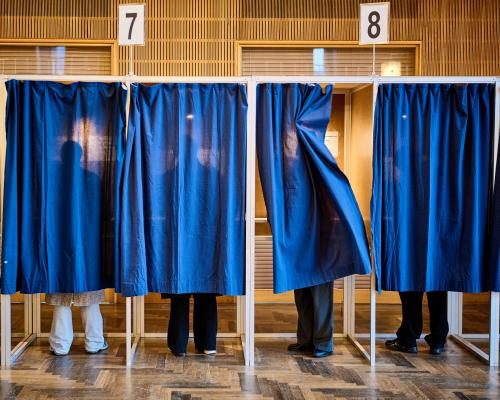
As dawn broke over Copenhagen, voters in Denmark prepared to head to the polls for a highly anticipated election, one that may have significant implications for the country's political landscape. With the election occurring on March 24, 2026, the stakes are high for the incumbent Prime Minister Mette Frederiksen of the Social Democrats, who is expected to retain her position amidst a backdrop of domestic concerns and international tensions.
Election Day Buzz in Copenhagen
The atmosphere in Copenhagen was electric as residents began their day. Pelle Dragsted, the leader of the Red-Green Alliance (Enhedslisten), was seen engaging with commuters, exchanging high-fives with cyclists as they passed by. Recently elected Lord Mayor Sisse Marie Welling of the Socialist People's Party (SF) was also spotted cycling through the streets, emphasizing the lively and communal spirit that characterizes Danish politics. Originally reported by The Guardian.
This election follows a brief yet intense campaign period where various issues dominated the public discourse. Key concerns included animal welfare, drinking water quality, immigration policies, and the rising cost of living. However, looming over these discussions were the geopolitical tensions stemming from former U.S. President Donald Trump's controversial threats regarding Greenland, which is part of the Danish Kingdom. This incident has influenced public sentiment and may play a role in voter decisions today.
Coalition Dynamics and Key Players
The election is shaping up to be a closely contested event, with predictions suggesting that Mette Frederiksen's Social Democrats will likely remain in power, but without a clear majority. The Moderates, led by Lars Løkke Rasmussen, are positioned to be pivotal in coalition negotiations, potentially acting as kingmakers for the new government. This situation adds an unpredictable element to the election outcome.
Recent polling data indicates that neither the red nor blue political blocs are expected to secure a majority on their own, which reinforces the importance of the Moderates in potential coalition talks. According to a Verian poll Released just days before the election, the landscape is tight, and every vote will count. Voter turnout will be crucial in determining how the political alliances will form in the coming days.
Voter Sentiment Reflects Wider Trends
As the election unfolds, voters are not only considering domestic issues but also how Denmark fits into the broader European political landscape. Dragsted emphasized the gravity of this moment, stating, "We have a clash of authoritarian forces on one side, and we are having a lot of important elections in coming years that will define the future of Europe." His comments reflect a sense of urgency among voters to consider the implications of their choices beyond national borders.
The election follows a series of significant elections across Europe, including those in France, Germany, Italy, and Slovenia, all of which have contributed to a growing sentiment of political engagement among citizens. The intertwining of domestic and international issues has created a unique atmosphere, making this election a potential turning point for Denmark and its role in Europe.
Anticipation Builds as Polls Close
As polling places opened their doors, anticipation continued to build. The polls are set to close at 8 PM local time, with many eager to see how the election results will unfold. Exit polls and immediate reactions are expected to provide insight into the electorate's mood and the direction Denmark may take in the near future.
Miranda Bryant, our Nordic correspondent, is on the ground in Copenhagen, capturing the essence of the election day experience. From the chatter among voters to the strategies of party leaders, she will continue to provide updates throughout the day. The stakes are high, and the outcome could not only shape Denmark's future but also send a message to Europe and beyond.
As voters prepare to make their choices, the weight of their decisions looms large. The intersection of local concerns and international pressures will undoubtedly influence the new government's policies and direction. Whatever the outcome, the results of this election are likely to reverberate beyond Denmark's borders, particularly in an era defined by shifting political landscapes and emerging global challenges.
Originally reported by The Guardian. View original.