
As diesel prices soar past $3 a litre in nearly every capital city across Australia, the repercussions of persistent high fuel costs are becoming increasingly evident. Truck drivers warn of potential business failures without renegotiated contracts, while farmers indicate that supermarket prices may soon rise. Small-scale mining operations are scaling back, and airlines are either raising fares or cutting flight schedules in response to the escalating costs.
Unprecedented Diesel Prices Hit Australian Capital Cities
In a historic surge, diesel prices have surpassed $3 per litre, significantly impacting transport and logistics industries. This spike has raised alarms among truck drivers, who are expressing concerns about their profitability and sustainability in the current economic climate. Many transport operators are urging their clients to revisit contract terms to account for the increased fuel expenses, with some claiming they may be forced out of business if these negotiations fail. Originally reported by The Guardian.
Farmers echo similar sentiments, warning that ongoing fuel price hikes could lead to increased food costs for Australian Families. The pressure on the agricultural sector is palpable, with many producers stating that they may have to pass on the elevated costs of operation to consumers. Consequently, shoppers could see higher prices in supermarkets as farmers grapple with the harsh realities of inflated fuel costs, which have widened the gap between production and market prices.
Impact on Airlines and Small Enterprises
Airlines are not immune to the rising fuel prices, with many already implementing daily fare increases as they attempt to offset the impacts of soaring operational costs. Some carriers have even begun to reduce their flight schedules, further complicating travel plans for Australians. The aviation sector faces a dilemma: continue operating at a loss or increase prices, risking a decrease in customer demand.
Meanwhile, small mining companies are scaling back their operations due to the unsustainable nature of current fuel prices. The construction industry is also feeling the strain, with builders facing additional costs ranging from 8% to 10% in fuel surcharges. Denita Wawn, the head of Master Builders Australia, voiced her concerns, stating, "We're concerned that the longer this goes, then the longer the tail is." This statement underscores the potential long-term ramifications of the current fuel crisis, reminiscent of the extended recovery period following disruptions caused by the COVID-19 pandemic.
Inflationary Pressures Amid Economic Uncertainty
The war in Iran has exacerbated existing fuel price challenges, contributing to an approximate 40% surge in Australian fuel costs since the onset of military actions. Jonathan Kearns, chief economist at Challenger, indicated that the inflation rate, currently at 3.7%, could rise towards 5% in the coming months, which could prompt the Reserve Bank to consider further rate hikes. This scenario raises concerns about the potential for stagflation, characterized by rising inflation alongside increasing unemployment as businesses slow hiring.
Consumer confidence has taken a hit, plummeting to its lowest level since 1973, the year of a previous oil shock. Current sentiment is even more pessimistic than during the 2020 national lockdowns, indicating deep-rooted economic anxiety among Australians. Kearns noted that the Reserve Bank will face challenges maintaining economic stability amid these pressures.
Government Responses and Future Scenarios
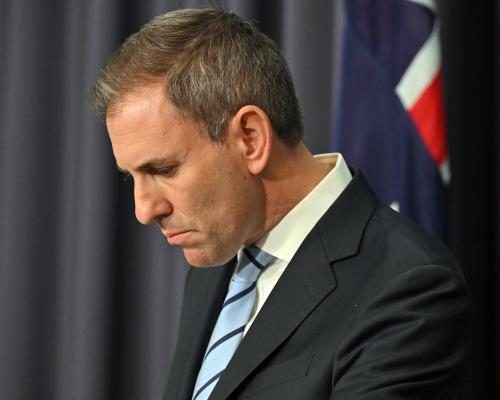
As the conflict in Iran continues and fuel prices escalate, experts are contemplating extreme scenarios, including fuel rationing. Fatih Birol, head of the International Energy Agency, recently warned that the scale of oil supply disruptions in the Middle East is unprecedented, surpassing those seen in the 1970s. This situation has prompted Treasurer Jim Chalmers to request Treasury officials to prepare for challenging economic circumstances, including scenarios where crude oil prices could exceed $US120 a barrel.
Chalmers emphasized the urgency for the government to respond to two key considerations: the duration of the war and the timeline for global economic recovery post-conflict. Meanwhile, Australians are increasingly blaming the government for the fallout from the war, which many perceive as having unclear objectives. As high fuel prices persist, the government faces mounting pressure to provide relief to households, particularly for the most vulnerable citizens, without resorting to blanket fuel subsidies.
While the government's response may be muted under current conditions, economists warn that should fuel shortages materialize, a crisis-level response will be necessary to stabilize the economy. The ongoing conflict in Iran continues to loom over Australia's economic landscape, casting uncertainty over both immediate and long-term outcomes.
Originally reported by The Guardian. View original.