
In a landmark move, New Zealand's government has announced that nearly 150,000 families will receive weekly cash payments to help alleviate rising fuel costs. Prime Minister Christopher Luxon and Finance Minister Nicola Willis unveiled the initiative on Tuesday, marking what is believed to be the world's first cash relief package directly aimed at citizens since the onset of the ongoing Iran conflict. Under this plan, approximately 143,000 families with children will receive an additional NZ$50 (approximately $29.20 or £21.80) each week through an enhancement of the in-work tax credit, which supports families with dependent children where at least one parent is employed and not receiving welfare benefits.
Details of the Fuel Relief Package
The cash boost will also extend to around 14,000 families with slightly higher incomes, who will qualify for smaller payments. This temporary measure will last for one year starting April 1, or until the price of 91 octane petrol falls below NZ$3 (around $1.75 or £1.30) per liter for four consecutive weeks. The price of unleaded fuel has surged by approximately 40 to 50 cents per liter, pushing the average cost beyond NZ$3 per liter since the escalation of conflict in the Middle East. Originally reported by The Guardian.
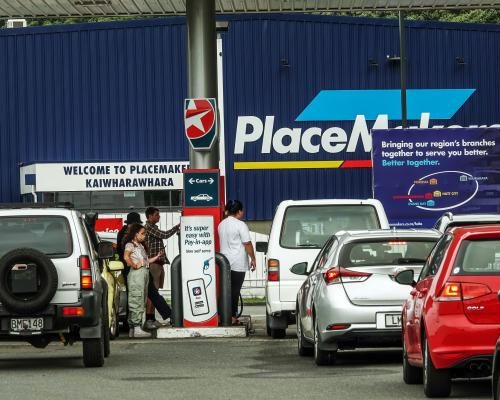
As a result of the panic buying, some petrol stations across the country have reported running out of fuel. Government data indicates that New Zealand currently holds 46 days' worth of combined petrol, diesel, and jet fuel stocks, prompting officials to focus on maintaining fuel supply while addressing the strain on household budgets.
Government's Rationale and Target Demographic
Prime Minister Luxon emphasized the importance of securing sufficient fuel supplies while acknowledging that rising petrol prices are significantly impacting many households. He stated, "We cannot control global oil markets or international conflicts, but we can soften the impact on working families who cannot easily avoid higher fuel costs by delivering support in a responsible and well-targeted way." Finance Minister Willis added that the relief package specifically targets families "in the squeezed middle," referring to working parents with modest incomes who do not qualify for welfare benefits.
Despite the government's intentions, the relief package has drawn criticism for failing to assist other vulnerable groups. Green Party co-leader Marama Davidson voiced her concerns, stating, "This package does nothing for [people receiving benefits] and their children, retirees, or unpaid carers, who are all left out entirely."
Global Context and Responses to the Fuel Crisis
The fuel crisis isn't unique to New Zealand; governments worldwide are scrambling to respond to skyrocketing fuel prices and shortages exacerbated by current geopolitical tensions. In the Philippines, for instance, authorities have reduced the workweek to four days, while Sri Lanka has resorted to fuel rationing. Meanwhile, the Irish government is preparing to sign off on cuts to excise duties on fuels to alleviate the economic burden on citizens. Thailand and South Korea have implemented caps on domestic fuel prices, with South Korea also Considering additional energy vouchers to support households.
The Marshall Islands have announced plans to lower income taxes for workers as a measure to mitigate living cost pressures. However, New Zealand's direct cash payment initiative stands out as a pioneering approach aimed at providing immediate relief to families struggling with rising fuel expenses.
Potential Impact on New Zealand Households
New Zealand, due to its geographic isolation, is particularly vulnerable to energy shocks and economic crises. The country's heavy reliance on global trade makes it susceptible to supply chain disruptions and fluctuations in fuel prices. The government's strategy to mitigate the impact of rising costs on families reflects an understanding of these vulnerabilities.
The relief payments may offer temporary respite to families feeling the pinch at the pump. However, the limited scope of the package raises questions about its effectiveness in addressing the broader economic challenges faced by many New Zealanders. The government will need to monitor the situation closely, as ongoing global tensions and fluctuating oil prices may necessitate further interventions.
The initiative offers a glimpse into the challenges and responses faced by countries worldwide in times of crisis, highlighting the delicate balance between supporting households and managing economic stability.
Originally reported by The Guardian. View original.