
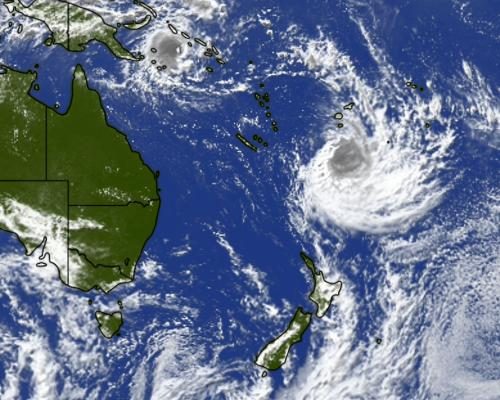
Tropical Cyclone Vaianu, currently a powerful category 3 storm in the Pacific, poses a significant threat to New Zealand as it heads southward from Fiji. Forecasters have warned that the cyclone could bring life-threatening winds and heavy rainfall to the North Island later this week. With maximum winds estimated at over 150 km/h, strong wind watches have already been issued for the entire region, indicating the potential for severe weather impacts beginning Sunday.
Severe Weather Watches Issued Across North Island
As the storm continues its path towards New Zealand, the national weather service, MetService, has issued strong wind watches for the entire North Island. The cyclone's projected trajectory suggests it will make landfall on Sunday, bringing with it damaging winds and heavy rainfall that could lead to hazardous coastal conditions. Meteorologist John Law stated, "We have several days until we see the impacts of Vaianu on New Zealand, so this is an early severe weather watch, a heads-up for significant weather this weekend." Originally reported by The Guardian.
The cyclone's potential impacts are concerning, especially given that the heaviest rainfall is expected in the northern and eastern parts of the North Island. However, large portions of New Zealand could still be affected, prompting residents to prepare for possible disruptions. The early issuance of severe weather watches highlights the anticipated severity of the event, and as conditions evolve, these watches may be upgraded to formal warnings.
Recent Cyclones Raise Alarm in New Zealand
This year's weather patterns have already tested New Zealand's resilience against severe storms. Earlier in January, a series of tropical storms wreaked havoc across the North Island, resulting in torrential rain that caused two fatal landslides. The situation worsened in February when storms triggered widespread flooding, landslides, and significant power outages, leaving many communities in distress.
The impact of tropical Cyclone Gabrielle in 2023 remains fresh in the minds of New Zealanders. It was the worst storm to hit the country this century, claiming 11 lives and causing an unprecedented record of approximately 850,000 landslides. This event also became the most expensive weather-related occurrence in New Zealand's history, underscoring the urgent need for preparedness as Cyclone Vaianu approaches.
Understanding Cyclone Vaianu's Path
Cyclone Vaianu is currently situated south of Fiji and is being monitored closely as it progresses southward. While the exact path of the cyclone remains uncertain, meteorologists anticipate that the storm will intensify as it nears New Zealand. The winds near the center of the cyclone are already exceeding 150 km/h, and gusts could be even stronger, posing a significant risk to coastal areas.
In addition to Cyclone Vaianu, another cyclone named Maila has been upgraded to a category 5 system, showcasing winds near the center of 215 km/h and gusts reaching 295 km/h. Maila is located in the Solomon Sea and will not impact New Zealand; however, its strength serves as a stark reminder of the volatile weather patterns affecting the region.
Preparation and Community Response
In light of the warnings surrounding Cyclone Vaianu, local authorities and communities are urged to prepare for potential emergency situations. Residents are advised to secure their properties, stock up on essential supplies, and stay informed through official channels for updates on the cyclone's path. The New Zealand government is mobilizing resources to ensure a rapid response should the storm cause significant damage.
Authorities recognize the importance of community resilience in the face of severe weather, given the recent history of storms. Many locals are still recovering from past events, making it crucial for everyone to act swiftly and responsibly. Emergency services are on standby, ready to assist communities as needed.
As New Zealand braces for the arrival of Tropical Cyclone Vaianu, the nation remains vigilant. With memories of past storms fresh in their minds, residents are urged to heed warnings and prepare for potential impacts. In the coming days, as forecasts become clearer, the nation will be focused on ensuring safety and resilience against this impending weather threat.
Originally reported by The Guardian. View original.