
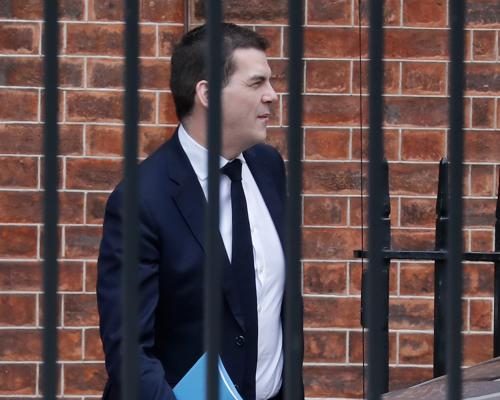
In a tense cabinet meeting this week, Labour ministers voiced significant concerns over Keir Starmer's decision to terminate Olly Robbins as the top official at the Foreign Office. Robbins was dismissed following revelations surrounding the vetting scandal involving Peter Mandelson, a former cabinet minister. Sources indicate that several ministers, including Deputy Prime Minister David Lammy, cautioned Starmer against creating a rift between the government and civil service.
Ministers Dispute Starmer's Judgment
During a cabinet meeting marked by a sense of unease, multiple ministers raised alarms regarding the implications of Robbins' abrupt dismissal. David Lammy reportedly warned that the decision could foster a divisive "them and us" mentality between ministers and civil servants. The home secretary, Shabana Mahmood, echoed concerns, questioning whether Robbins deserved to be terminated simply for failing to inform Starmer about Mandelson's unsuccessful vetting. Originally reported by The Guardian.
Robbins was sacked within hours of the Guardian's report detailing that Mandelson was appointed ambassador to the United States despite being denied security clearance by vetting officials. In the meeting, Mahmood highlighted the inconsistency in praising Robbins as a commendable civil servant while simultaneously sacking him, adding to the cabinet's discomfort.
Political Fallout from the Vetting Scandal
The discussions in the cabinet reflect broader anxieties within the Labour Party about Starmer's leadership and decision-making processes. Health Secretary Wes Streeting and Chancellor Rachel Reeves also expressed their reservations about the fallout from Robbins' departure, urging the Prime Minister to maintain a collaborative relationship with civil service officials.
One senior cabinet minister believed Robbins should have been suspended rather than dismissed, arguing that a thorough investigation was necessary before making such a significant decision. This sentiment resonates with many within the party who are unsettled by the implications of Robbins' Testimony, which suggested undue pressure from Downing Street regarding Mandelson's appointment, potentially questioning Starmer's judgment.
Calls for Reinstatement and Criticism of Starmer
Amidst the backlash, former senior officials have called for Robbins to be reinstated. Simon McDonald, a former Foreign Office chief, criticized Starmer for what he deemed a rushed judgment. Additionally, Mark Sedwill, a former cabinet secretary, urged Starmer to retract his accusations against Robbins and restore him to his position, emphasizing the need for stable leadership in the Foreign Office.
As the scandal continues to unfold, Starmer's decision to appoint Mandelson, who was dismissed after less than a year due to his controversial ties to Jeffrey Epstein, has faced scrutiny. Starmer has stated that he was unaware of the original vetting advice, which Robbins overruled. However, the circumstances surrounding the appointment and subsequent dismissal of Robbins have left many MPs questioning the Prime Minister's decision-making and leadership capabilities.
Future Implications for Starmer's Leadership
The ongoing controversy has heightened concerns about Starmer's future as leader of the Labour Party. Some senior party figures suggest he is operating in a "holding pattern," with a potential timeline of 12 to 18 months before further challenges arise, particularly from prominent rivals such as Andy Burnham. The atmosphere within the party has been characterized as resigned, with a mix of gallows humor and concern regarding the party's trajectory under Starmer's leadership.
As MPs prepare for further discussions and inquiries, pressure is mounting on Starmer to clarify his stance on Robbins' dismissal and the broader implications of the Mandelson vetting scandal. Cat Little, the lead civil servant at the Cabinet Office, is scheduled to testify before the foreign affairs select committee, promising to shed more light on the ongoing situation.
The Labour government finds itself at a critical juncture as it navigates the fallout from this scandal, with internal dissent posing a substantive challenge to Starmer's authority. The next steps taken by the Prime Minister and the cabinet will be closely watched as the political landscape continues to evolve.
Originally reported by The Guardian. View original.