
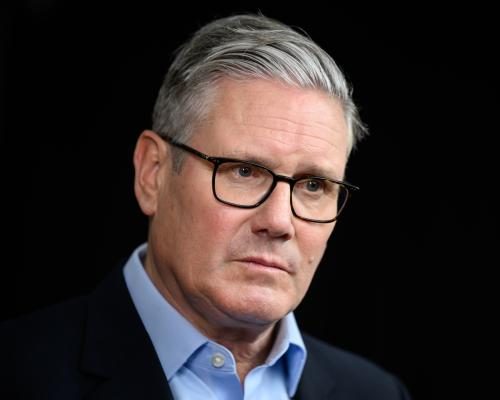
In a high-stakes moment for the Labour Party, Keir Starmer is poised to deliver a crucial speech today, asserting that "incremental change won't cut it" in addressing the pressing challenges facing the UK. This declaration comes amid swirling rumors of a potential leadership contest, particularly following Angela Rayner's unofficial manifesto that hints at her ambitions to lead the party.
Rising Tensions Within Labour Leadership
The atmosphere surrounding Labour's leadership is charged with speculation. Starmer's address, which some view as a hustings-style speech, follows closely on the heels of Rayner's statements that effectively lay out her vision for the party's future. In her remarks, she suggested an openness to Andy Burnham taking the helm, highlighting the shifting dynamics within the party. This situation mirrors previous Labour leadership challenges, where the party has seen leaders survive or succumb to internal strife. Notably, John Major faced a similar scenario in 1995, emerging victorious against internal challenges, while Jeremy Corbyn was able to withstand a no-confidence vote in 2016 due to his strong support among party members-a backing that Starmer currently lacks. Originally reported by The Guardian.
Starmer's Call for Robust Change
In the face of these challenges, Starmer's upcoming speech is anticipated to outline a more ambitious vision for the Labour Party. According to pre-released excerpts, he will emphasize the need for a substantial response to issues of growth, defense, Europe, and energy. He is expected to argue that "to meet the challenges that our country faces, incremental change won't cut it." This rhetoric suggests a shift towards a more assertive Labour agenda, one that prioritizes urgency and a commitment to fairness. Starmer aims to reassure party members and the electorate alike that the Labour Party is ready to tackle the pressing issues of our time head-on.
Immediate Reactions and Potential Challenges
As Starmer prepares to speak at 10 am, the reaction from party members and the public remains uncertain. Following his address, Angela Rayner is scheduled to speak at the CWU conference in Bournemouth at 12:30 pm, where her own vision will likely be contrasted against Starmer's proposals. Another significant moment will occur around lunchtime when Catherine West, a former minister, is expected to respond to Starmer's speech. Should she find his plans lacking, she may initiate the process for a leadership challenge by gathering the necessary 81 names from Labour MPs. This potential shift in leadership dynamics could have far-reaching implications for the party's future.
Historical Context of Leadership Challenges
The current turmoil within the Labour Party can be better understood by examining past leadership challenges. In 2006, Tony Blair acknowledged the need to step down, allowing for a transition period that ultimately led to Gordon Brown's leadership. The ability to navigate such internal conflicts has historically varied among Labour leaders. Starmer now finds himself in a precarious position, where the support he needs from MPs may not be as solid as previous leaders enjoyed. His focus on creating a strong, cohesive platform is critical at this juncture, especially with the 2024 elections looming.
As the day unfolds, it will be crucial to observe how Starmer's message resonates with both Labour members and the wider electorate. The party's future hangs in the balance, and the responses to his ambitious call for change could shape the trajectory leading into the next general election. Starmer's challenge lies not only in presenting a clear and compelling vision but also in uniting a party that is currently at a crossroads. With leadership speculation rife, today's events could significantly alter the landscape of UK politics.
Originally reported by The Guardian. View original.