
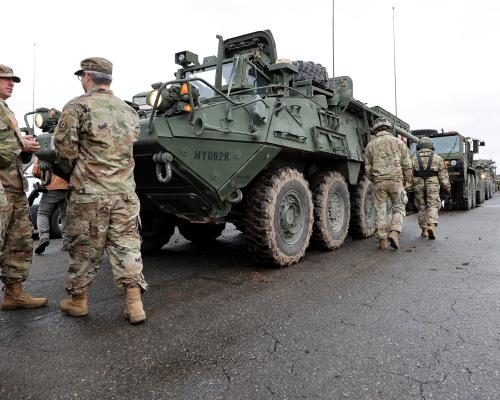
NATO is seeking to clarify the implications of a recent decision by the United States to withdraw 5,000 troops stationed in Germany. This redeployment, ordered by former President Donald Trump, comes amid a tense exchange with German Chancellor Friedrich Merz. As the Pentagon prepares for the withdrawal over the next six to twelve months, both NATO and German officials are reacting to the shift in military strategy.
US Troop Reduction Amid International Tensions
The announcement of the troop withdrawal follows an exchange of criticisms between Trump and Merz regarding the US's handling of relations with Iran. In recent statements, Merz accused the US of being "humiliated" by Iranian leaders, prompting a sharp response from Trump, who dismissed the Chancellor's comments as lacking understanding. Shortly after, Trump suggested the possibility of troop reductions in Germany, a move that has raised alarms within NATO. Originally reported by The Guardian.
NATO spokesperson Allison Hart emphasized the alliance's need to understand the specifics of the US decision, indicating that the announcement may have been made without adequate consultation with European allies. "This adjustment underscores the need for Europe to continue to invest more in defense and take on a greater share of the responsibility for our shared security," Hart noted in a social media post. Her comments reflect a growing sentiment among European nations regarding the necessity for self-reliance in defense matters.
German Response to US Military Strategy
The German government has sought to downplay the significance of the troop withdrawal, framing it as something that was expected. A spokesperson from the German defense ministry remarked, "It was anticipated the US might withdraw troops from Europe, including Germany," and suggested that this development highlights the need to bolster Europe's military capabilities. Currently, there are about 40,000 US troops stationed in Germany, a number that could see significant reductions if the planned withdrawals proceed.
US officials have indicated that some units, including an army brigade combat team and a long-range artillery battalion, would be withdrawn. The potential for further troop reductions may complicate matters with the US Congress, which stipulated last year that troop levels in Europe must not fall below 76,000. This benchmark was set following a previoUS Troop Withdrawal from Romania, with lawmakers calling for a thorough review before any major changes to the military presence in Europe.
Concerns Over Arms Sales and European Defense
European capitals are increasingly worried about the possible delays in arms sales from the US, as the Pentagon shifts its focus toward replenishing stockpiles used in military operations related to Iran. Recent reports from the Financial Times indicated that allies, including the UK, Poland, and the Baltic states, should expect prolonged delivery times for US weaponry.
On the same day the Pentagon announced the troop withdrawal, the US State Department approved military sales exceeding $8.6 billion to Middle Eastern allies such as Israel, Qatar, and the UAE. This shift in focus has exacerbated existing tensions between the US and its NATO allies, particularly following the refusal of many European nations to engage militarily in the recent conflict in Iran.
Political Dynamics and Future Negotiations
Chancellor Merz has attempted to maintain a constructive dialogue with Trump, despite their differences over foreign policy. He previously offered the use of German minesweepers to assist in securing the Strait of Hormuz, contingent on a ceasefire and a UN or EU mandate. In an interview with Der Spiegel, Merz expressed his commitment to fostering a positive relationship with the US, stating, "So far, that effort is succeeding."
As the situation in Iran remains volatile, efforts to negotiate a resolution have stalled. Trump has expressed dissatisfaction with an Iranian proposal that would require both sides to lift blockades, leaving the future of diplomatic engagement uncertain. Meanwhile, ongoing Israeli airstrikes in Lebanon have further complicated the regional landscape, with reports of casualties and damage to civilian infrastructure.
The evolving scenario regarding the US Troop Withdrawal from Germany signifies a pivotal moment in transatlantic relations and European defense strategy. As NATO seeks clarity on the implications of the US decision, the necessary investments in defense and strategic autonomy for Europe become increasingly urgent.
Originally reported by The Guardian. View original.