
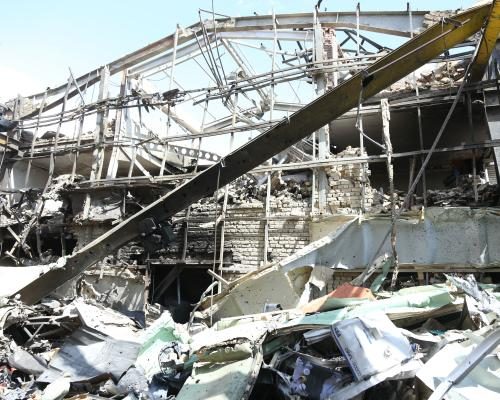
In a significant escalation of tensions, Israel's military announced on Monday that it had completed a series of airstrikes targeting regime sites in Tehran. This development follows Iranian media reports of attacks on residential neighborhoods in the Iranian capital, raising concerns about the implications for regional stability amid growing geopolitical tensions.
Israel Strikes Tehran Amid Rising Conflict
Israel's military took to Telegram to confirm the completion of its latest wave of airstrikes against what it described as "regime targets" in Tehran. These operations occurred shortly after Iranian reports indicated that residential areas were struck, leading to fears of civilian casualties. The Iranian government has not yet confirmed the extent of damages or casualties resulting from these Israeli attacks. Originally reported by The Guardian.
In the midst of this military activity, Japanese Prime Minister Sanae Takaichi announced that her government is preparing to engage in discussions with Iran, triggered by the ongoing global energy crisis. "We are preparing dialogues at the leadership level at an appropriate time," she stated during a parliamentary committee meeting, highlighting Japan's vulnerability due to its dependence on Middle Eastern oil, which constitutes about 90% of its crude oil imports.
Trump's Provocative Threats and Iranian Response
As tensions rise, former President Donald Trump issued a series of provocative statements threatening to destroy Iran's civilian infrastructure if the strait of Hormuz remains closed. His social media posts included a stark warning: "Open the Fuckin' Strait, you crazy bastards, or you'll be living in Hell." This inflammatory rhetoric has drawn sharp criticism from various sectors, including members of Trump's own party, who worry about the potential for escalating conflict.
Iran's military leadership responded with a stern warning, promising "much more devastating" retaliation if U.S. forces continue to target civilian areas. The Iranian central military command indicated that further assaults on civilian targets would lead to a significant escalation in their offensive operations. This warning underscores the precarious nature of the current situation and the potential for widespread regional conflict.
US Rescues Downed Airman Amid Ongoing Violence
In a related development, the United States successfully rescued a crew member from a downed F-15E fighter jet in southwestern Iran, concluding a two-day search operation. Trump confirmed that the crew member was "seriously wounded" but now safe, attributing the success of the mission to CIA subterfuge. This operation, however, coincided with reports of multiple casualties resulting from U.S.-Israeli attacks in the region.
Israeli media reported that two individuals were killed after an Iranian missile struck a residential building in Haifa. Additionally, Iranian forces have continued to expand their operations, conducting drone and missile strikes against energy infrastructure in Kuwait, Bahrain, and the United Arab Emirates over the weekend. These actions signify Iran's determination to assert its military capabilities in the face of ongoing threats from the U.S. and its allies.
Global Oil Prices Surge Amid Tensions
The ongoing conflict and threats have had immediate repercussions on global oil markets. Following Trump's remarks, West Texas Intermediate crude oil rose by 1.86% to $113.62 per barrel, while North Sea Brent crude increased by 1.16% to $110.30. These fluctuations reflect the market's sensitivity to geopolitical instability in the Middle East, as the region is pivotal for global oil supply.
Japan's government has taken proactive measures in response to the crisis, approving the release of oil from its strategic reserves for the first time in history. The decision to release 15 days' worth of oil from private-sector depots underscores the urgency Japan feels about securing its energy supply amidst the escalating conflict.
As the situation develops, the international community is closely monitoring the potential for further military actions and the implications for global trade through crucial waterways like the Strait of Hormuz. The region remains a flashpoint, with Iran's leadership condemning Trump's threats as reckless and accusing him of being influenced by Israeli Prime Minister Benjamin Netanyahu.
In a statement, Iranian parliamentary speaker Mohammad Baqer Qalibaf criticized Trump's threats, asserting that they are leading the U.S. into a chaotic situation that will have dire consequences for the region. As these tensions continue to unfold, the world watches closely, bracing for what could be a pivotal moment in Middle Eastern affairs.
Originally reported by The Guardian. View original.