
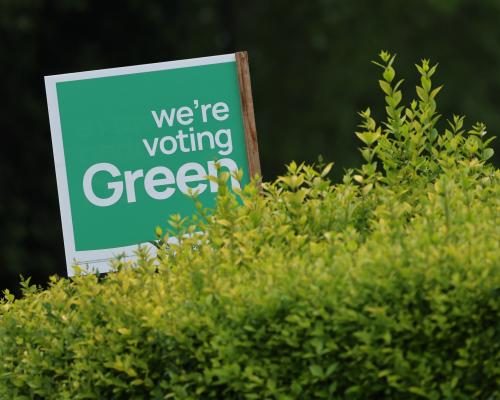
As local elections approach on May 7, voters are urged to consider the implications of their choices carefully. The elections are essential for selecting councillors responsible for managing services that directly impact communities, including social care, education, housing, and waste management. With various parties vying for attention, it's crucial to remember the primary purpose of these elections: effective local governance. This comprehensive guide covers be careful who you vote for in local elections on thursday in detail.
Understanding Be Careful Who You Vote For In Local Elections On Thursday
Local councils play a vital role in the daily lives of residents. Councillors are tasked with overseeing critical services that affect everything from education and social care to housing and environmental management. These local representatives are expected to ensure that community needs are met efficiently and effectively. Originally reported by The Guardian.
However, the current political climate has seen some voters contemplating using their ballots as a form of protest against the national government, particularly targeting figures like Labour leader Keir Starmer. While expressing dissatisfaction is a natural part of democracy, voters must remember that local elections are fundamentally about local issues, not national grievances.
As Viv Pert from London notes, voters should exercise caution when considering parties like Reform UK, which may lack the necessary experience and mindset to manage local services effectively. "Do you really think that parties such as Reform UK have the skills or mindset for this?" Pert questions, emphasizing the importance of choosing candidates based on their ability to deliver essential services.
The Risks of Protest Voting
Protest voting can have unintended consequences, especially in local elections where the stakes are often less visible than in general elections. While it may seem appealing to cast a ballot for a party that represents discontent, such decisions can lead to a lack of effective governance in essential areas.
Brian Smith from Berlin expresses concerns that Labour's performance in these elections might be worse than anticipated. He points out that polls often underestimate the percentage of voters who might not openly admit their intentions, drawing parallels to the Brexit vote where hidden support skewed outcomes. "The local election results will be worse for Labour than anyone thinks," Smith asserts, highlighting the unpredictable nature of voter behavior.
As voters prepare for the polls, it's essential to weigh the long-term implications of their choices. Local councillors are responsible for delivering vital services, and a poorly thought-out protest vote could jeopardize the quality of these services.
Community Needs Should Drive Decisions
In the lead-up to the elections, community engagement and awareness are more important than ever. Voter turnout is critical, but it should be fueled by informed decision-making rather than emotional reactions to national politics. Residents should engage with local candidates, understand their platforms, and assess their ability to address community needs effectively.
Local elections offer an opportunity to influence the quality of life in communities. Services like social care, education, and housing require knowledgeable and committed representatives who can navigate the complexities of local governance. Voters are encouraged to prioritize candidates who demonstrate a clear understanding of these issues and a willingness to address them head-on.
Melanie White from Marazion, Cornwall, shares her perspective on community values, stating that her ideal day involves walking by the sea and enjoying clean air, illustrating the importance of local environments in voters' lives. Such sentiments highlight why selecting the right candidates matters; they will influence policies that shape the community's future.
Looking Ahead to the Election Results
As election day approaches, the anticipation grows around how local councils will be shaped by the choices made at the polls. The outcomes will likely have lasting impacts, affecting everything from local infrastructure projects to social services. Voters must recognize that their ballots are not just statements of dissatisfaction but powerful tools that can determine the quality of governance in their communities.
While it is understandable for some to feel compelled to send a message to the government, saving protest votes for general elections could lead to more meaningful changes without sacrificing local service quality in the interim. Ultimately, thoughtfulness in voting can lead to better outcomes for communities and more effective governance in the long run.
This election presents a significant moment for local democracy. Voters are encouraged to weigh their options carefully, ensuring that their choices reflect their community's needs and the kind of leadership they wish to see at the local level.
Originally reported by The Guardian. View original.