
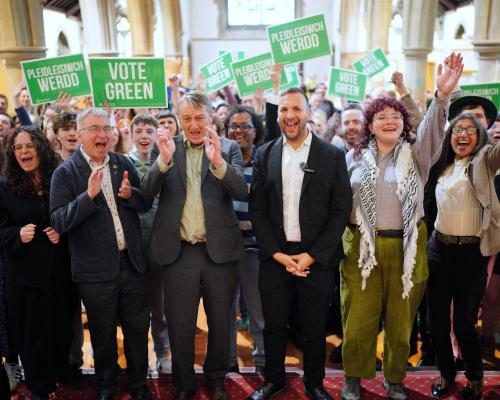
The atmosphere was electric at a packed church hall in Cardiff's Canton neighborhood as Green Party supporters rallied ahead of the upcoming Senedd elections. On Saturday, party members from Northern Ireland, Sweden, and Denmark joined local activists to bolster the Welsh Greens' campaign. The crowd erupted in cheers as Zack Polanski, leader of the Green Party of England and Wales, emerged from behind the nave, embracing Anthony Slaughter, the party's leader in Wales. Their public display of unity followed previous tensions over Polanski's social media comments regarding police handling of a recent incident in Golders Green. This comprehensive guide covers ‘voting green will stop reform’: party eyes kingmaker role in wales in detail.
"This is something that I haven't expressed out loud before, but I'm going to express it out loud to you guys: I'm really excited to see those results roll in," Polanski told the enthusiastic audience. His optimism echoed the sentiment of many, as polls indicate that Plaid Cymru's Rhun ap Iorwerth is poised to become Wales's next First Minister, potentially ending nearly three decades of Labour's dominance in Welsh politics. Although Reform UK may secure the most seats, other parties have largely ruled out entering a coalition with Nigel Farage's party. Originally reported by The Guardian.
Understanding ‘Voting Green Will Stop Reform’: Party Eyes Kingmaker Role In Wales
Rhun ap Iorwerth's ambitions for an independent minority government hinge on winning enough seats, but the Welsh Parliament has a history of accommodating coalitions and cross-party collaboration. Recent surveys suggest that Plaid Cymru will need allies, and the Green Party is emerging as a key player, particularly given their shared support for Welsh independence. Polanski and Slaughter have emphasized their role as potential 'kingmakers' in the next Senedd, aiming to influence Plaid Cymru's stance on crucial issues like energy, climate, housing policy, rent controls, and council tax.
Liz Hughes, a 53-year-old former Labour voter, expressed her support for the Greens, stating that the party embodies "hope not hate." She added, "I understand the frustration people feel at the cost of living and how hard everything is. But Reform doesn't have the answers." This sentiment reflects a growing disillusionment with traditional parties among voters.
Remarkable Growth and New Political Landscape
The energy at the rally starkly contrasts with last year's mood. Anthony Slaughter had previously expressed hopes of securing at least one seat in the 2026 elections, a historic first for the party. Since then, Green Party membership in England and Wales has surged to 222,000, tripling in size. A February poll indicated the possibility of the Greens winning up to 10 seats, which could push Welsh Labour into fourth place for the first time.
Securing five seats would enable the Greens to form a formal party group within the Senedd, a move that could unlock significant public funding, transforming the party from a grassroots movement into a mainstay of Welsh politics. While canvassing in Grangetown, a working-class area in west Cardiff, Slaughter found widespread support, with many residents, including disillusioned former Labour supporters, expressing their intention to vote Green.
Election Strategies and Key Issues
The Green Party's strategy focuses on the two new superconstituencies that encompass Cardiff, where they are expected to perform well. Competitive races are also anticipated in Ceredigion Penfro and Brycheiniog Tawe Nedd. With Wales's new proportional voting system, the difference for the last seats could hinge on just a few dozen votes, making the competition between the Greens and Reform particularly fierce.
At the rally, Tessa Marshall, the second Green candidate for Caerdydd Penarth, urged attendees, "Voting Green won't let Reform in.. We can stop [Reform] from being the largest party." The Greens' election manifesto, although concise, has been described by the Institute for Fiscal Studies as a strategic "opening gambit for potential negotiations with other parties." Slaughter characterized it as "an outline of our priorities and ambitions for Wales," with pledges to replace council tax and business rates, aligning with Plaid Cymru's proposals for tax reform.
Energy and environmental policies may pose Challenges, as Plaid Cymru's base includes Welsh-speaking rural communities supportive of certain nuclear power initiatives, including the Wylfa project on Ynys Môn. However, Slaughter remains confident in the party's readiness to take on governmental responsibilities. "Our candidates aren't professionals; they're passionate about making a difference for Wales," he said.
As the Senedd elections draw closer, the Green Party's potential to act as a catalyst for change in Welsh politics is becoming increasingly clear. With their sights set on influencing the future direction of the Welsh government, the Greens are not just vying for seats but are positioning themselves as essential partners in shaping a progressive agenda for Wales.
Originally reported by The Guardian. View original.