
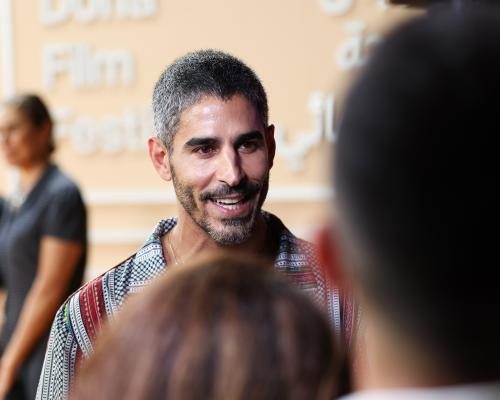
A Kuwaiti-American journalist, Ahmed Shihab-Eldin, has been acquitted of charges that included 'spreading false information' after 52 days in detention in Kuwait. The Committee to Protect Journalists (CPJ) confirmed his release, stating that his case has drawn international attention amid rising concerns over press freedom in the region.
Details of the Arrest and Charges
Ahmed Shihab-Eldin, known for his work with major outlets such as PBS, HuffPost, the New York Times, the BBC, and Al Jazeera, was arrested on March 3 during a short visit to his home country. The CPJ reported that the Kuwaiti authorities charged him with several offenses, including "spreading false information," "harming national security," and "misusing his mobile phone." These charges stemmed from posts he made prior to his arrest, particularly a geolocated video verified by CNN that showed a U.S. fighter jet crashing near a U.S. airbase in Kuwait. Originally reported by The Guardian.
His arrest occurred amid a backdrop of heightened security laws in Kuwait, which have made it increasingly risky for journalists to report on sensitive topics. The new legislation includes severe penalties for anyone deemed to be undermining national security through the dissemination of information related to military entities.
Reactions from the Committee to Protect Journalists
Following the acquittal, CPJ Chief Executive Jodie Ginsberg expressed relief, stating, "We are relieved that Ahmed Shihab-Eldin has been found innocent after 52 days in detention." Ginsberg emphasized the importance of Shihab-Eldin's safety and freedom, vowing that the organization would continue to monitor his situation closely.
In a statement shared online, Ginsberg noted, "Full details are still being ascertained but his international legal team confirms that he has been found innocent of the charges and he is expected to be released imminently." The CPJ has been at the forefront of advocating for press freedom and has documented numerous instances of journalist detentions in the Gulf region.
Family's Response to the Acquittal
Shihab-Eldin's family also expressed their relief at the news of his acquittal. Lawyers representing his sisters issued a press release confirming the verdict, stating, "We are relieved that, after 52 days in detention, Ahmed has been found innocent on all charges. Our focus now is upon ensuring the liberty and safety of our client, and we will provide more details once they can be confirmed."
Legal representatives suggested that Shihab-Eldin's release is expected to occur soon, although they are still finalizing the details surrounding his case. The family's advocacy and the support from international organizations like CPJ have played critical roles in bringing attention to his situation.
Implications for Press Freedom in the Region
The case of Ahmed Shihab-Eldin is emblematic of broader concerns regarding press freedom in Kuwait and across the Gulf states. His arrest coincided with the implementation of new security laws that have intensified scrutiny over journalists and their reporting, particularly regarding military and national security issues.
Under these laws, significant fines and imprisonment can be imposed on individuals who publish statements that could potentially damage the reputation or morale of military entities. This has led to a chilling effect on journalists, with many fearing reprisal for sharing images or information about military actions or incidents.
In recent months, authorities in Kuwait have arrested numerous individuals for sharing content related to military operations, particularly during conflicts in the region. The crackdown on free speech has raised alarms among human rights organizations and press freedom advocates, who argue that such measures stifle public discourse and limit the media's ability to inform citizens.
As Shihab-Eldin prepares for his imminent release, his case highlights the ongoing struggle for journalistic integrity and freedom of expression in a region where such rights are frequently under threat. With increasing calls for accountability and reform, the international community will be watching closely to see how Kuwait navigates the balance between security and civil liberties in the future.
Originally reported by The Guardian. View original.