
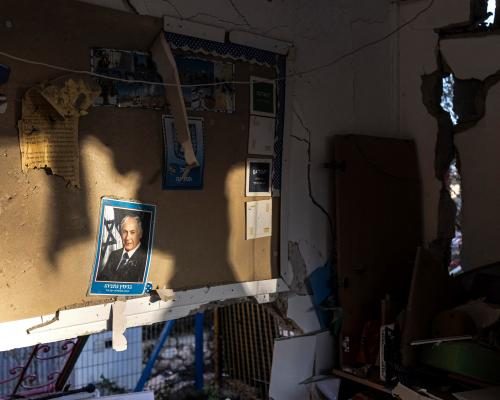
As the conflict between Israel and Iran continues to Escalate, public support within Israel remains remarkably high, with over 90% of Jewish Israelis backing the war. This stark contrast to global sentiment highlights the complex realities faced by Israeli citizens, especially in the aftermath of the devastating October 7 attacks that left the nation reeling.
The ongoing war, which began in February, has already claimed at least 15 lives and resulted in hundreds of injuries from Iranian missile strikes. Daily life in Israel has been significantly disrupted, as missile alerts and school closures have become routine. Yet, this grim backdrop has not dampened the resolve of the Israeli public. According to polling data, more than 90% of Jewish Israelis support the military action against Iran, indicating a strong belief that aggressive measures are necessary for national security. Originally reported by The Guardian.
Contrasting Global Perspectives on the Conflict
While Israeli sentiment remains overwhelmingly pro-conflict, the international community shows a markedly different perspective. In the United States, for instance, nearly 60% of the public opposes the war, and only 25% supported the initial strikes against Iran. This trend of disapproval extends across Europe, Asia, and the Gulf states, where the conflict is viewed unfavorably, particularly due to the severe economic repercussions that are beginning to manifest.
Emma Graham-Harrison, the Guardian's chief Middle East correspondent based in Jerusalem, notes that the Israeli public's backing for the conflict is rooted in a belief that enduring short-term suffering will lead to long-term security. Many Israelis feel besieged in a hostile environment and view the current military strategy as the only viable option to safeguard their future. The sentiment is further fueled by the trauma from the October 7 tragedy, which is still fresh in the public's mind.
The Daily Struggles of Israeli Life Amid War
Life in Israel, particularly in cities like Jerusalem, has been drastically altered by the ongoing war. Many citizens are working from home, and public spaces such as cafes and gyms face restrictions. The uncertainty hanging over daily life is palpable; residents must remain vigilant for sirens that signal incoming missiles, with just 90 seconds to seek shelter in Jerusalem and even fewer seconds in northern regions closer to the conflict.
The emotional toll is evident. Graham-Harrison describes how the constant threat of violence has left people exhausted and anxious. "People are very tired because you never know when the next alert is going to be," she explains. Children have been particularly affected, missing out on school and other normal activities due to the ongoing crisis. Additionally, access to bomb shelters varies, with Palestinian citizens of Israel facing greater disadvantages, contributing to a lack of support for the war among these communities.
Political Implications for Netanyahu
Despite the overwhelming public backing for military action, Israeli Prime Minister Benjamin Netanyahu has not seen a corresponding boost in his political standing. As the nation prepares for its first general election since the October 7 attacks, Netanyahu finds himself lagging behind in the polls. There is majority support for his decision to engage in military action against Iran, yet many voters express reluctance to re-elect him.
Emma Graham-Harrison highlights that while trust in Netanyahu's military judgment is stronger compared to past conflicts, skepticism remains regarding his overall leadership. "Even among people who do not want to give him another term, there is majority support for his decision to launch this war with Iran," she states. This mixed sentiment could prove problematic for Netanyahu as he faces a trial for corruption while navigating the volatile political landscape.
As the situation unfolds, the Israeli public's unwavering support for the conflict with Iran may shape not only the immediate future of the region but also the long-term political dynamics within Israel itself. With the ongoing suffering and economic strain, the question remains whether this strong backing will endure or evolve as the realities of war continue to impact daily life.
Originally reported by The Guardian. View original.