
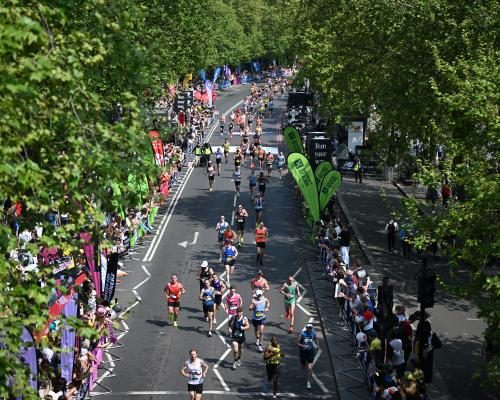
The London Marathon is set to showcase the booming running culture in the UK, significantly influenced by younger generations, particularly Gen Z women. With over a million applicants vying for a place at the starting line this Sunday, around 850,000 of those are British runners, with one-third falling within the 18 to 29 age bracket. Notably, a majority of these young participants are female, marking a striking shift in a sport traditionally associated with male dominance.
Gen Z Women Lead the Charge
The surge in running culture can be traced back to a significant increase in participation among younger women. According to data from Sports England, there were 349,000 more runners in 2024 compared to the previous year, with nearly all of them being women. This trend is clearly reflected in the demographics of the London Marathon, where applications from women in younger age groups have soared. Originally reported by The Guardian.
The transformation is remarkable, as running has long been viewed through a lens of stereotypes-thin men clad in tight shorts often came to mind. Now, social media influencers like Phily Bowden and Mary McCarthy, alongside elite athletes such as Eilish McColgan and Keely Hodgkinson, are fostering a new image of running that resonates with young women. Their empowering messages and relatable journeys have helped make running not just a sport but a fashionable lifestyle choice.
The Emotional Heart of the Marathon
The London Marathon is much more than a race; it is an emotional spectacle that captures the essence of human determination and community spirit. Each of the 59,000 participants brings a unique story, often filled with personal triumphs and challenges. Many endure grueling training sessions through the harsh British winter, all while raising significant sums for various charities. The profound emotional connections are visible as runners often carry photos of loved ones, dedicating their efforts to those they've lost or want to honor.
Sean Ingle, the chief sports reporter for the Guardian, highlighted the marathon's unique charm, stating, "I am fortunate enough to cover the Olympics, Wimbledon finals, the Open - whatever. The London Marathon is right up there." He emphasizes the joy that permeates the event, especially as the slower finishers cross the line after hours of effort, greeted by cheering friends and family. "It's really a celebration of what's good in humanity, people doing great things and raising money for all sorts of charities," he added.
Social Running Clubs Fuel Popularity
The emergence of social running clubs has played a pivotal role in this running renaissance. These clubs offer a more accessible and fun approach to running, particularly for women, making the activity feel safer and more inclusive. As Ingle notes, while traditional athletics clubs cater to those seeking speed, social clubs provide a welcoming atmosphere for everyone, regardless of pace or experience.
Running clubs today are diverse, attracting participants from various ethnic backgrounds and demographics. This inclusivity has helped shift the running culture, allowing it to appeal to a broader audience. The rise of these clubs also coincides with the growing popularity of themed events and group runs that foster a sense of community and camaraderie.
The Future of the London Marathon
As interest in the London Marathon continues to grow, event organizers are considering the possibility of expanding the event into a two-day affair to accommodate the increasing number of participants. This potential shift underscores the marathon's rising profile and the need to adapt to the changing landscape of running culture.
Looking ahead, the running boom, particularly among young women, is likely to persist. With support from social media influencers and community-based running initiatives, the sport is evolving into a more inclusive and diverse activity. The London Marathon stands as a testament to this transformation, celebrating not just the elite athletes but also the everyday heroes who lace up their shoes for charity and personal achievement.
Originally reported by The Guardian. View original.