
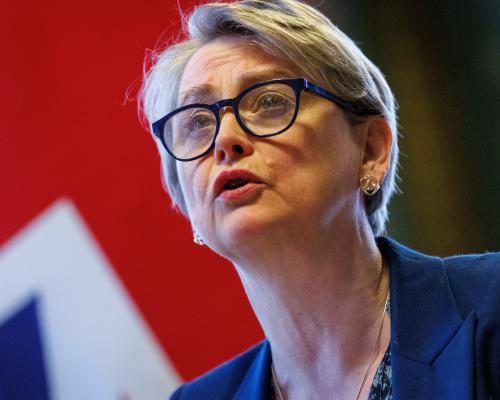
In a significant show of unity, over 40 nations convened on Thursday to explore all possible diplomatic and economic measures to compel Iran to reopen the critical Strait of Hormuz. UK Foreign Secretary Yvette Cooper, who chaired the virtual summit, emphasized that coordinated international action is essential in response to Iran's recent "reckless strikes" against international shipping, which she claims are undermining the global economy. The UK, along with France, Germany, Australia, and several Gulf nations, are at the forefront of these discussions, which aim to restore access to a maritime route that is vital for global oil and gas supplies.
Impact of Iran's Actions on Global Economy
Cooper highlighted the far-reaching consequences of Iran's activities, noting that the disruptions are affecting nations that have no involvement in the conflict. She stated, "That's affecting petrol prices and mortgage rates here in the UK, but also jet fuel across the world, fertiliser to Africa, and also gas to Asia." This disruption is not merely an economic concern for oil-importing countries; it threatens to escalate globally, with World Bank projections warning that continued obstruction of the strait could push an additional 9 million people into food insecurity. Observers are noting a significant rise in both petrol and food prices, impacting households and businesses worldwide. Originally reported by The Guardian.
Collaborative Efforts and Future Discussions
The summit's discussions included strategies for broader international cooperation, particularly focusing on countries from the Global South to exert economic pressure on Iran. Whitehall sources indicated that the level of condemnation from nations previously hesitant to impose sanctions on Iran was striking. Furthermore, options are being explored by the United Nations for a humanitarian shipping corridor to ensure the delivery of essential supplies like fertiliser to prevent impending food shortages in vulnerable regions. A follow-up military discussion is scheduled for next week to assess the feasibility of clearing sea mines and rescuing stranded ships in the strait, which remains a focal point of international concern.
US Involvement and Mixed Reactions
Interestingly, the discussions took place without direct involvement from the United States, which traditionally has taken a strong stance against Iran. Former US President Donald Trump suggested that countries dependent on the strait should "build up some delayed courage" and act decisively. His controversial remarks have drawn both support and criticism. UK Labour leader Keir Starmer cautioned that unblocking the vital shipping lane, which accounts for 10-25% of the world's oil and gas supply, would not be straightforward. Conservative leader Kemi Badenoch expressed that Trump must take responsibility for the situation he has contributed to in the Middle East, saying, "If I was speaking to him, I'd be saying: 'If you break it, you own it.'"
Political Tensions and Calls for Action
The political landscape is fraught with tension as leaders navigate the complexities of restoring access to the Strait of Hormuz. Nigel Farage, leader of Reform UK, shared his frustrations about the mixed messages coming from Trump's administration, remarking that it is often "difficult listening to the press conferences" to discern the president's motivations. Meanwhile, Ed Davey, leader of the Liberal Democrats, urged Starmer to amplify efforts to reopen the oil and gas shipping route currently restricted by Iran, emphasizing the urgency for the prime minister to present viable alternatives.
As the world watches the developments surrounding the Strait of Hormuz, the coalition of nations remains firmly committed to taking decisive action. The ongoing discussions reflect a growing consensus that the situation cannot be ignored, as the repercussions of Iran's actions extend far beyond regional borders. The coming weeks will be crucial as various countries explore diplomatic, economic, and military avenues to address the crisis, with the aim of ensuring the free movement of goods through this vital maritime passage.
Originally reported by The Guardian. View original.