
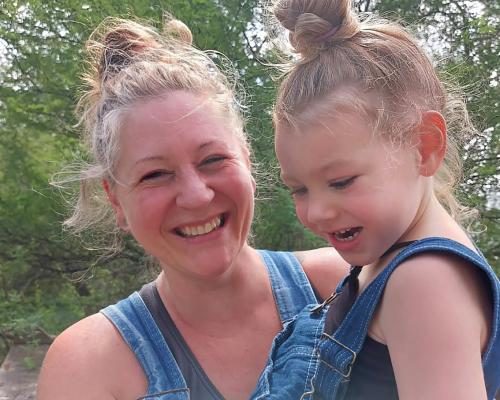
A Canadian woman and her seven-year-old daughter, detained for nearly three weeks by U.S. Immigration and Customs Enforcement (ICE), were finally released on Thursday evening after posting a bond of $9,500. Tania Warner and her daughter Ayla Luca, both Canadian citizens from British Columbia, encountered a harrowing experience that began with their apprehension at a checkpoint in Sarita, Texas.
Detention and Apprehension Details
Tania Warner, who relocated to the United States in 2021 after marrying Edward Warner, a U.S. citizen, was driving home from a baby shower in Raymondville when she and her daughter were stopped. On March 14, ICE agents took them into custody for fingerprinting but did not release them afterward. Edward Warner reported that ICE claimed Tania had overstayed her visa, despite presenting documentation to prove otherwise, including an employment authorization card valid until June 8, 2030. This miscommunication led to the family's distressing ordeal. Originally reported by The Guardian.
Initially held at the Rio Grande Valley central processing center in McAllen, Texas, Tania and Ayla were later transferred to the Dilley immigration processing center on March 20. During their time in detention, Tania described the conditions as "horrific," noting a lack of basic amenities such as beds. Detainees were forced to sleep on mats under constant light, creating a disorienting environment.
Conditions in Detention Centers
In her account, Tania revealed that while Dilley offered some improvement-such as mattresses-privacy was still nonexistent. She reported that ICE agents frequently pressured her to "self-deport," which she described as an abusive tactic designed to coerce detainees into leaving voluntarily. "They're abusive, and their tactics are to threaten you and to be so inhospitable that you deport yourself," she stated, emphasizing the emotional toll the experience had taken on her and Ayla, who has autism.
Tania expressed her deep frustration, saying, "My life is here with my husband. I love him. I don't want to leave. But at the same time, I've gotten a really ugly taste in my mouth for the United States." Her sentiments reflect a broader concern among many immigrants regarding the treatment they receive within the U.S. immigration system.
Legal Proceedings and Future Hearings
After being released, Tania Warner explained that a judge determined she and Ayla were not flight risks, allowing them to post bond. However, she is now required to wear an ankle monitor as part of her release conditions. Her immigration lawyer successfully argued that Tania's paperwork had been filed correctly, meaning she is legally permitted to remain in the U.S. for the time being.
The family now faces a series of hearings that will ultimately decide whether they can stay in the United States or face deportation. Edward Warner expressed his relief upon their release, stating, "Very happy to have my family home.. it's been a whirlwind day." The future remains uncertain for the Warners, as they navigate the complexities of the U.S. immigration system.
Government Responses and Ongoing Advocacy
Global Affairs Canada, which oversees consular services for Canadians abroad, confirmed awareness of multiple cases involving Canadians in immigration-related detention in the U.S. A spokesperson noted that while consular officials advocate for citizens facing serious treatment complaints, they cannot exempt individuals from local legal processes. The ministry has not disclosed further details due to privacy considerations.
The case has sparked discussions about the treatment of migrants and the policies of U.S. immigration authorities. Advocates argue that more humane practices are needed to protect families like the Warners from the emotional and psychological strain of detention. As the couple prepares for their immigration hearings, local and national support networks may play a crucial role in their journey.
As Tania and Ayla settle back into their lives in Kingsville, Texas, they remain hopeful yet wary of what the future holds. Their experience sheds light on the pressing challenges faced by immigrants in the United States and the need for systemic reform. The Warners' story may resonate with many who find themselves in similar predicaments, igniting a call for compassion and understanding in the immigration process.
Originally reported by The Guardian. View original.