
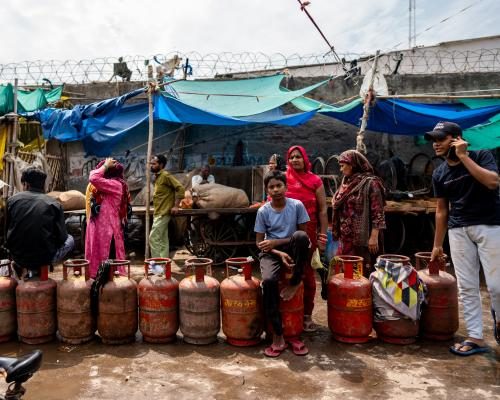
As fuel prices surge across Asia, individuals from various sectors are feeling the financial strain. Farmers in New Zealand, bus drivers in Vanuatu, and public servants in South Korea share their experiences of coping with the escalating costs of fuel in their daily lives. This comprehensive guide covers a day in the life of asia’s fuel crisis in detail.
Understanding A Day In The Life Of Asia’s Fuel Crisis
In Kaipara, New Zealand, dairy farmer James Brady starts his day at 4:30 AM, tending to his 200 cows and managing his small beef cattle herd. The daily routine involves milking, feeding, and caring for livestock, all while keeping an eye on the rising costs associated with fuel. "Diesel is our main fuel-we run two tractors and machinery. We have quad bikes that run on petrol," he explained. Each month, Brady consumes approximately 900 litres of diesel and between 200 to 300 litres of petrol. Originally reported by The Guardian.
Currently, diesel prices hover around NZ$1.85 per litre, and petrol has seen an increase of 33 cents per litre. This translates to an additional monthly cost of NZ$1,252 or NZ$15,024 annually. Brady lamented, "It's not just our own fuel supply-it's the contractors that come in to do work, and fertiliser has gone up 40%. It all has huge flow-on effects to our costs." As a farmer, he feels the burden of these rising expenses keenly, as he cannot pass them on to consumers. This situation may lead to delayed maintenance or reduced investments in the farm.
Concerns Rise for Bus Drivers in Vanuatu
Meanwhile, in Port Vila, Vanuatu, bus driver Daniel Thomas finds himself anxious about the impending rise in fuel prices. "The government says fuel prices will increase soon and like many people here, I'm worried I won't make enough to cover all my expenses," he stated. Operating his bus from 6 AM to 9 PM, Thomas typically earns about A$120 a day but fears that rising fuel costs could reduce his earnings to as low as A$70.
With daily temperatures reaching around 30°C, the need for air-conditioned buses further strains fuel consumption. Many bus drivers in Vanuatu carry loans for their vehicles and are left wondering how they will meet their monthly payments if fuel prices continue to climb. Thomas articulated the dilemma, saying, "The only option will be to hike fares, and that won't go down well with passengers in Port Vila." This precarious situation places drivers in a tough position, forcing them to choose between raising fares or risking their livelihoods.
South Korea Implements Vehicle Restrictions
In Sejong, South Korea, public service worker Kim Hooin has adjusted his routine due to escalating fuel prices and government-imposed vehicle restrictions. Since March 25, public sector employees are subject to a five-day driving system based on their licence plate numbers. "I've been taking the bus every day," he noted, explaining that despite the longer commute time, the financial implications of driving are too significant to ignore. Previously, his 25-minute drive is now a 40-minute bus ride.
Kim works at a government agency where he is responsible for managing and operating three vehicles. He emphasizes the importance of following the five-day rules strictly, prioritizing the use of electric cars whenever possible. His office has implemented a 12-point energy-saving campaign that includes shorter showers and more efficient use of electricity. "I think this energy campaign isn't just about those specific actions. It's the message of overcoming difficulties together," he remarked, reflecting on South Korea's resilience in the face of previous crises.
Struggles of Mobile Vendors in Thailand
In Surin province, Thailand, mobile grocery truck owner Teerayut Ruenrerng faces challenges of his own. During his midday break, he visits multiple gas stations to fuel up. "Sometimes I can get fuel, sometimes I can't," he explained, noting that sometimes he can only purchase limited amounts, ranging from 300 to 500 baht (US$9.15 to US$15.25). This unpredictability creates stress as he tries to ensure his truck remains operational.
Teerayut works through the night, starting at midnight, and knows that if he can fill his tank, he can relax for a few days. However, when he cannot find fuel, the panic sets in. The fluctuation in fuel availability not only affects his income but also the livelihoods of many who depend on his mobile grocery service. As fuel shortages continue, vendors like Teerayut are left to navigate the uncertainty.
The rising fuel crisis in Asia is a pressing issue affecting various sectors from agriculture to public transport. As individuals grapple with these changes, the long-term impact on economies and communities remains to be seen.
Originally reported by The Guardian. View original.