
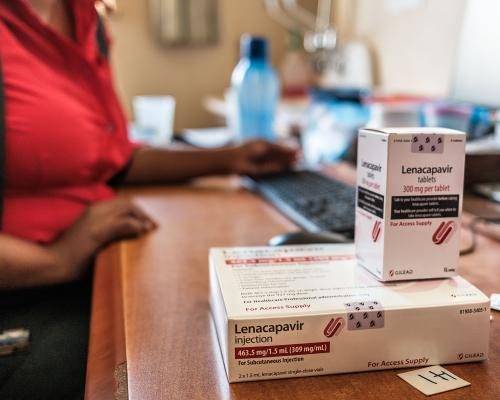
In Eswatini, where one in four people live with HIV, a new drug called lenacapavir is being hailed as a potential breakthrough in the fight against the virus. However, despite its promise, the availability of this drug remains alarmingly low, raising concerns about its effectiveness in curbing new infections.
Precious, a 32-year-old sex worker, exemplifies the struggles faced by many in this southern African nation. In a country with an HIV prevalence rate of 27%, she has witnessed the devastating impact of the virus firsthand. Last year, during a clinic visit with five other sex workers for testing, four of them were found to be HIV-positive. The financial realities of her work often compel her to forgo protective measures; she can charge a client 100 lilangeni (about £4.50) for sex with a condom but double that without one. The dire statistics reflect a community in desperate need of effective solutions. Originally reported by The Guardian.
Lenacapavir: A New Hope Against HIV
Lenacapavir, administered via an injection every six months, is not a traditional vaccine but is viewed by many-including patients and healthcare providers-as a significant step forward in HIV prevention. Eswatini is among the first countries to roll out this innovative drug, but it faces serious supply issues. Currently, the Lobamba clinic has received only 130 doses, and with over 100 already administered, staff expect to run out soon. At the central medical store, only 730 doses remain, 500 of which are earmarked for second doses, leaving little room for new patients.
The Global Fund to Fight HIV, Tuberculosis and Malaria is set to provide Eswatini with 6,000 doses by 2026. So far, 4,200 doses have arrived, with the remaining supplies expected in April. An additional shipment funded by the U.S. government is anticipated later this year. However, Dr. Nkululeko Dube, country programme director for the Aids Healthcare Foundation Eswatini, emphasizes that the current supply is "not even a drop in the ocean" compared to the scale of the crisis. As of mid-March, only 2,995 people had started taking lenacapavir.
Challenges in Accessing HIV Prevention
The challenges surrounding lenacapavir's availability are compounded by the economic realities faced by many in Eswatini. Precious, who supports her two children, estimates she needs at least 4,000 lilangeni a month to cover living expenses. With up to 60% of the population living below the poverty line, many find themselves trapped in a cycle of financial instability that complicates access to healthcare.
Other forms of pre-exposure prophylaxis (PrEP) exist, including daily pills, a vaginal ring, and a shorter-acting injection, Cab-LA, administered every two months. However, Precious has struggled with these options. Daily pills are difficult to adhere to due to her unpredictable schedule, while the vaginal ring can be uncomfortable for both partners. Cab-LA has been described as painful and is available only in limited amounts. The dissatisfaction with existing PrEP options has led many, including Sindy Matse, programme manager for the Eswatini National Aids Programme, to pin hopes on lenacapavir as a potential game-changer.
Targeting Vulnerable Populations
Eswatini's young population, particularly teenage girls and young women, bears the brunt of new infections, with three-quarters of cases occurring in this demographic. Young women often find themselves unable to insist on condom use or trust their partners' fidelity, putting them at greater risk. Government priorities include ensuring access to lenacapavir for these vulnerable groups, alongside pregnant women and sex workers.
Matse stresses that while guidelines for lenacapavir use are in place, restricting access based on certain criteria could stigmatize at-risk groups. "We've made it very clear that anyone who's requesting len we shouldn't deny them," she states, highlighting the importance of inclusive access to HIV prevention strategies.
With its high HIV prevalence and significant public health challenges, Eswatini stands at a crossroads. The potential impact of lenacapavir in curbing new infections is immense, but without sufficient supply and strategic outreach, its promise risks going unfulfilled. As the nation grapples with these challenges, communities like Precious's continue to seek a path toward health and stability against the backdrop of an ongoing HIV crisis.
Originally reported by The Guardian. View original.