
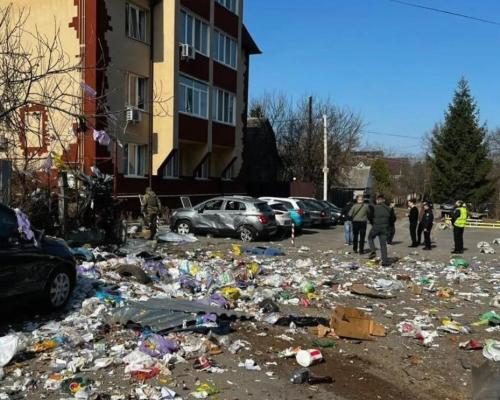
In a shocking turn of events, Bohdan Tymchenko, a 21-year-old man from Bucha, became embroiled in a sinister recruitment scheme orchestrated by Russian intelligence services. Within two weeks of engaging in an online gaming community, Tymchenko planted two bombs outside his apartment, illustrating a disturbing trend of Ukrainians being coerced or lured into committing acts of sabotage against their own nation.
Bucha, located on the outskirts of Kyiv, has become a symbol of the brutality faced during Russia's invasion. The recent bombings serve as a painful reminder of the town's tumultuous past, where over 400 bodies were uncovered after its liberation, including civilians who suffered unimaginable fates. Tymchenko's descent into treachery began innocently when he logged onto World of Tanks, a popular online battle game, only to be approached by a Russian handler in the game's chat. Following their initial interaction, the handler shifted communication to Telegram, guiding him through the process of assembling explosive devices. Originally reported by The Guardian.
Recruitment Methods Unveiled
Investigations reveal a growing pattern: Russian operatives have recruited over 800 Ukrainians, including at least 240 minors, in the past two years, targeting critical infrastructure and draft offices. Ukrainian officials believe the ultimate goal is to instill fear and uncertainty among the populace. Dmytro Prokudin, head of the Kyiv regional prosecutor's office, emphasized the betrayal felt by communities when one of their own turns against them: "It's a stab in the back. It doesn't really get worse than one of your own citizens doing this. And we are seeing this more and more."
The case of Tymchenko stands out due to his background; he hails from a military family with a brother who was killed fighting for Ukraine and a mother who currently serves as a medic in the armed forces. Witness accounts describe him as a shy individual, largely withdrawn and unemployed, raising questions about how he became susceptible to manipulation.
Community Shock and Confusion
Residents in Bucha were left reeling in disbelief at the notion that the threat could emerge from someone they knew. Inna, a pensioner living nearby, reflected on her feelings of betrayal, stating, "I simply don't understand how this could happen here, done by someone you see every day." She survived the town's occupation in 2022 but lost friends, highlighting the emotional scars that remain vivid in the community.
Many initially mistook the initial explosion for a missile strike, as no air raid alert had sounded. Another resident recounted noticing suspicious bags near the building but dismissed them without a second thought. This confusion underscores the pervasive sense of insecurity that now permeates the area. As investigators piece together the events leading up to the bombings, they consider reports of Tymchenko potentially lurking nearby during the blasts, further complicating the case.
The Complexity of Coercion
Tymchenko's case exemplifies the complexities of Russian recruitment tactics, which often involve multiple layers of manipulation. Prokudin explained that recruiters typically initiate casual conversations online, gauging receptiveness before escalating their approach. Financial incentives are often a primary motivator, with Tymchenko reportedly promised $1,200 (£900) for his participation. However, coercion can also come into play, particularly through threats to family members, especially those residing in Russian-occupied territories.
In a startling courtroom revelation, Tymchenko claimed he had been blackmailed, alleging that his handler threatened to expose his mother's location, stating they could "see her from a drone." This chilling claim points to the lengths to which Russian operatives will go to manipulate individuals into betrayal. The investigation continues as authorities seek to understand whether Tymchenko was specifically targeted due to his family background or simply approached at random.
The recruitment of individuals like Tymchenko highlights a significant challenge for Ukraine as it faces an ongoing war on multiple fronts. As Russian operatives infiltrate the country, sowing discord and distrust, the need for vigilance and community solidarity becomes ever more critical.
As Ukraine grapples with this internal threat, the resilience of its citizens will be tested. The psychological impact of such betrayals can linger long after the physical acts of sabotage. The government and local communities must work together to foster an environment where citizens feel secure and united against external manipulation.
Originally reported by The Guardian. View original.