
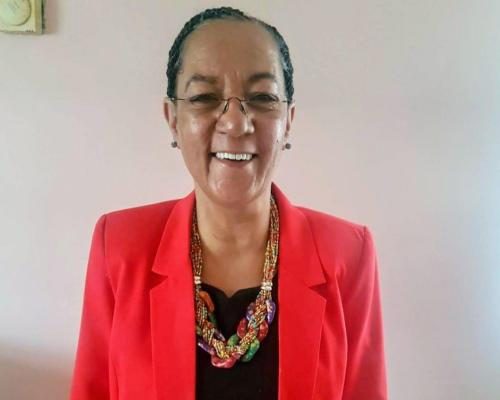
Rosemary Adaser, a 70-year-old survivor of Ireland's mother and baby home scandal, finds herself in a distressing financial predicament. The compensation scheme established in 2024 aims to address the injustices faced by survivors like her, but a legal loophole threatens her housing benefits, making her hesitant to accept any financial restitution.
Twins Torn Apart by Stigma and Abuse
Born in Belfast to a Ghanaian doctor and an Irish hospital receptionist, Rosemary and her twin brother, Anthony Adaser, were among the many children institutionalized in Ireland during a time when being born out of wedlock was stigmatized. The twins were separated at just six years old, only reuniting when they turned 12. Their childhoods were marked by relentless degradation and abuse, with Rosemary recalling instances of neglect and forced labor in various institutions. Originally reported by The Guardian.
Rosemary's experiences were compounded by racial discrimination. "I thought the N-word was a pet name, until an older girl slapped me across the face and said, 'Look up the meaning,'" she explained. Her journey took another tragic turn at 16 when she became pregnant and was sent to a mother and baby home, from which her newborn was taken away. It wasn't until adulthood that she was reunited with her son.
Compensation Scheme and Legal Loopholes
The Irish government launched a compensation scheme in 2024, designed to assist survivors of mother and baby homes. However, Rosemary faces a unique challenge: if she accepts any compensation, she risks losing at least £1,000 per month in housing benefits. Due to a legal loophole, the compensation is classified as foreign government funds, and thus does not qualify for the usual capital disregard provisions. This means any payment she receives could be counted as cash savings, jeopardizing her eligibility for necessary benefits.
In stark contrast, her brother Anthony, who resides in Ireland, has successfully received his compensation without facing these penalties. He expressed his frustration over the disparity: "It's galling; my sister deserves the same peace of mind that my settlement has given me in retirement." His remarks underscore the systemic inequities survivors face, with many still battling bureaucratic red tape for recognition and support.
The Fight for Philomena's Law
In response to the ongoing struggles of survivors, UK Prime Minister Keir Starmer announced plans to introduce "Philomena's law," which would protect individuals like Rosemary from penalties related to compensation acceptance. However, the absence of a legislative timetable leaves many, including approximately 13,000 other survivors, in a precarious position. Without immediate protections, individuals risk losing essential benefits while they await government action.
Adaser's lawyer, Caoilfhionn Gallagher KC, emphasized the urgency of the situation: "As well as taking steps to pass Philomena's law without delay, it's imperative the government takes immediate action to direct local authorities that during this interim period benefits should not be affected." The lack of clarity and support from the government is causing distress for many elderly survivors, forcing them to navigate a system that has historically failed them.
Personal Struggles and the Quest for Independence
Rosemary Adaser shared her concerns about the impact of government inaction on her life. "This is just another institutional abuse. I raised my family without any recourse to benefits. Now, when I'm unable to work, the government's inaction is killing me off." She expressed her fears of being institutionalized again, stating, "I'm too terrified to apply for compensation because I need housing benefit to stay independent." The emotional and psychological toll of her past continues to haunt her, and without adequate support, her future remains uncertain.
Having moved to London in 1976, Rosemary managed to carve out a new life for herself amidst the challenges faced by many Irish immigrants. "I will always thank the British people. They took in thousands of defeated, battered girls and allowed us to make our lives here," she reflected. Now a retired housing director, she is determined to meet with the prime minister to advocate for the rights of survivors like herself.
As discussions around Philomena's law continue, survivors remain hopeful for a resolution that will finally acknowledge their suffering and provide them with the financial security they deserve. The ongoing battle for justice highlights the need for systemic change to prevent further institutional abuses and support those who have already suffered.
Originally reported by The Guardian. View original.