
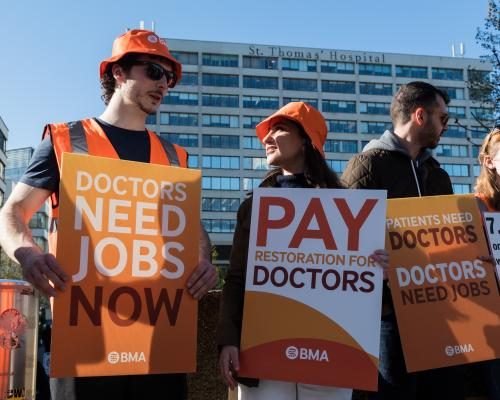
The British Medical Association (BMA) is facing backlash over what many are calling a double standard. While the union demands a 26% pay rise for resident doctors, it has offered its own staff a pay increase below inflation-2.75%. This has led to accusations of hypocrisy as BMA staff began their strike on Monday, coinciding with a significant walkout by doctors across the NHS in England.
BMA Staff Walk Out Over Pay Dispute
Tens of thousands of medics in England walked off the job on Tuesday, marking their 15th round of industrial action since March 2023 in pursuit of "full pay restoration." The doctors' strike comes just as hundreds of BMA staff are staging their own protests over the pay offer from their employer. With many in the health sector already stretched thin, the simultaneous actions have raised eyebrows. Originally reported by The Guardian.
Donna Thomas, a regional organiser for GMB, which represents BMA staff, remarked, "The BMA is asking the government for Pay Restoration for their doctor members but have failed to restore the pay of their own staff, who have seen their wages eroded nearly 17%." This sentiment echoes the frustrations of BMA employees, who include administrative workers, policy experts, communication officers, IT specialists, and negotiators.
Government's Counteroffer Rejected
The BMA has rejected a government offer from Health Secretary Wes Streeting, which would have provided resident doctors with an average pay increase of 4.9% this year. This proposal was nearly double the 2.75% raise the BMA is offering its own employees. The union cited budget constraints as the reason for its inability to offer more to its staff, while simultaneously pushing for a significant, taxpayer-funded salary increase for doctors.
Streeting criticized the BMA's stance, arguing, "Resident doctors are, by a country mile, the standout winners of the entire public sector workforce when it comes to the pay rises they have received from this government." He further noted that the government had made substantial efforts to accommodate the demands of resident doctors, only for them to reject the offer in favor of strike action that could cost the NHS an estimated £300 million.
Public Opinion on the Strikes
Recent polling from YouGov indicates that public support for the strikes is mixed. Of 6,908 British adults surveyed, 53% opposed the resident doctor strikes, while only 38% expressed support. Despite the divided opinion, many doctors maintain that their actions are necessary for addressing critical staffing shortages and patient care issues.
Dr. Jack Fletcher, chair of the BMA's resident doctors committee, expressed remorse over the strikes, saying, "I'm genuinely very sorry medics were striking but said they 'feel like we had no choice.'" He emphasized that doctors had given the government multiple opportunities to resolve the matter without resorting to industrial action, but those efforts had been disregarded.
On a picket line outside the Bristol Royal Infirmary, Dr. Sam Taylor-Smith acknowledged the public's frustration with the ongoing strikes, particularly regarding appointment cancellations. He asserted, "I do see a bit more positive movement with this government but we're still not quite there yet," reiterating that the strikes are a last resort in light of chronic understaffing.
Impact on NHS Services
The strike has forced NHS hospitals to call in colleagues from other departments to cover for the absent resident doctors, leading to the cancellation of several treatments and appointments. Health leaders have urged patients to continue seeking care despite the disruptions, stressing the importance of not letting the strikes deter them from necessary medical attention.
As the walkout persists, the BMA's dual predicament-striking for higher compensation for its members while facing criticism for its treatment of its own staff-continues to unfold. The strikes are set to last until 7 a.m. on Monday, leaving many to wonder how the ongoing labor disputes will shape the future landscape of healthcare in England.
Originally reported by The Guardian. View original.