
As tensions escalate in the Middle East, UK ministers are ramping up contingency planning due to fears that the ongoing war in Iran could severely impact Britain's already fragile economy. High-ranking officials express concern over potential spikes in energy prices and the cost of living, prompting discussions about emergency measures.
Trump's Controversial Remarks Ignite Cabinet Tensions
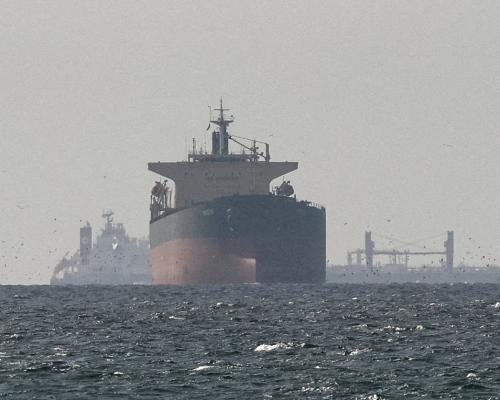
On Friday, President Donald Trump labeled the UK and other NATO allies as "cowards" for their reluctance to assist in the reopening of the Strait of Hormuz, a critical shipping lane currently threatened by Iranian conflict. This remark has stirred significant frustration among UK cabinet ministers, who believe the military actions could destabilize the nation's financial landscape. The administration's anxiety centers around predictions of rising energy prices, increased mortgage rates, and heightened borrowing costs, which could have lasting effects on the British economy. Originally reported by The Guardian.
In response to the escalating situation, UK officials have begun preparations for a variety of worst-case scenarios. Among the measures under consideration is the reduction of speed limits on roads to conserve fuel. This reflects an urgency to minimize fuel consumption as the UK grapples with potential energy shortages linked to the conflict in Iran.
UK Military Bases Authorized for Broader Attacks
The UK government has taken a significant step by authorizing the use of British military bases for attacks on Iranian missile launchers targeting commercial vessels in the Strait of Hormuz. Previously, these bases were limited to operations aimed solely at protecting British allies and interests in Gulf states. This escalation in military involvement raises questions about its overall effectiveness in altering the course of the conflict.
With tensions high, officials within the Treasury have established an "Iran board" comprised of ministers and advisors to explore various economic responses. One potential option includes a universal bailout for energy bills, which would serve as a last resort if global prices remain elevated. There is a palpable sense of urgency among ministers, reflecting fears that the conflict may drag on and exacerbate economic instability.
Cost of Living Crisis Intensifies
The looming prospect of a global energy shock comes at a particularly precarious moment for the UK government as they approach local elections in May. Labour leader Keir Starmer and shadow chancellor Rachel Reeves had hoped to showcase an improving economy, but rising costs threaten to derail those plans. On Friday, the cost of government borrowing surged to its highest level since the 2008 financial crisis, signaling troubling times ahead. Analysts predict interest rates may climb to 4.5%, further straining household finances and increasing mortgage costs.
As households brace for potentially soaring energy bills, the International Energy Agency (IEA) has recommended that the public reduce energy consumption, including using ovens less and cutting down on car usage. With forecasts indicating that household energy costs could rise by £330 annually-bringing the average bill close to £2,000-ministers are feeling the heat to act swiftly.
Calls for Energy Support Packages
With the UK's economic recovery now in jeopardy, some government officials are proposing a reevaluation of fiscal rules that currently limit borrowing. Culture Secretary Lisa Nandy highlighted the need for a change in direction, while others within the Labour Party advocate for radical tax reforms to address the crisis. While Downing Street acknowledges the "extremely challenging" economic climate, there is hope that Starmer's resistance to Trump's war will resonate with the public as a stance focused on domestic issues.
Paul Nowak, General Secretary of the TUC, emphasized the urgency of government action, stating, "Working people must not be left to pay the price for Trumpflation." He praised initial steps taken to mitigate rising energy bills but urged ministers to be prepared to extend support to protect households and businesses from Economic Fallout.
The Greens have proposed that the government cover the anticipated £300 increase in energy bills resulting from the conflict, which would cost around £8 billion. As officials in Whitehall deliberate on the potential for energy support, they remain cautious about the implications of repeated financial bailouts and the risk of future tax increases.
As summer approaches, the government will have more time to assess whether additional support is necessary, particularly since gas consumption typically decreases during warmer months. However, the uncertainty surrounding the conflict's duration leaves ministers grappling with complex economic challenges.
Originally reported by The Guardian. View original.