
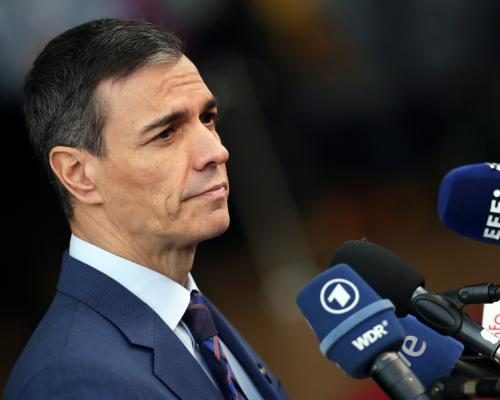
Spain is poised to announce a series of emergency tax cuts aimed at alleviating economic pressures stemming from the ongoing conflict in Iran. A press conference scheduled for 11 AM local time will unveil measures that include a significant reduction in the Value Added Tax (VAT) on fuels from 21% to 10%. This initiative reflects the Spanish government's response to rising energy prices linked to the war, which has raised concerns across Europe.
Details of the Tax Cuts
The anticipated tax cuts are expected to include not only the VAT reduction on fuels but also adjustments to hydrocarbon and electricity duties. Reports suggest that the changes to the hydrocarbon levy alone could lead to immediate decreases in diesel and petrol prices ranging from 0.30 to 0.40 euros per liter. Spanish Prime Minister Pedro Sánchez has been vocal in his criticism of U.S. and Israeli military actions in Iran, emphasizing the potential economic repercussions for Europe. His administration is prioritizing measures to mitigate the impact on consumers and businesses alike. Originally reported by The Guardian.
In addition to these tax adjustments, the government plans to provide aid to sectors most vulnerable to the economic fallout from the conflict. Despite these challenges, Sánchez noted that Spain's robust renewable energy infrastructure positions the country to be less susceptible to oil price fluctuations compared to others in the region. This strategic advantage may help cushion the blow from sudden spikes in energy costs.
European Responses to the Crisis
Spain's proactive approach could influence other European nations as they grapple with similar economic pressures. Ursula von der Leyen, President of the European Commission, indicated after a recent European Council meeting that there is a growing consensus on the need for reforms in energy taxation. She pointed out that electricity is often taxed at higher rates than gas, suggesting that adjustments in this area could be beneficial for consumers facing rising energy bills.
Von der Leyen proposed reducing grid charges and hinted at allowing more flexibility in the use of state aid to alleviate the burden of increasing energy costs. Such measures signal a potential shift in how Europe addresses energy taxation and the economic implications of the ongoing conflict in Iran, which continues to destabilize markets and raise concerns across the continent.
Impact on Local Economies
As Spain prepares to implement these emergency measures, local economies are poised for a critical test. The government's commitment to lowering energy costs is seen as a necessary step to protect consumers and businesses from the cascading effects of the Iran conflict. With rising inflation and energy prices already straining budgets, these tax cuts could provide much-needed relief.
However, the effectiveness of these measures will depend on their timely implementation and the willingness of energy suppliers to pass on the savings to consumers. Observers are watching closely to see how quickly the market responds to changes in pricing structures. If successful, Spain's initiative could serve as a model for other nations grappling with similar challenges.
Political Context and Future Outlook
The political landscape in Spain is also contributing to the urgency of these tax cuts. As the government faces scrutiny over its handling of the economic situation, the forthcoming measures are likely to play a pivotal role in shaping public perception ahead of upcoming elections. Sánchez's administration aims to demonstrate that it is taking decisive action to protect citizens from external shocks to the economy.
As lawmakers finalize the details of the tax cuts, the broader implications for Europe remain uncertain. While Spain's commitment to reducing energy costs is commendable, the crisis in Iran underscores the fragility of the region's economic stability. Other countries may soon follow suit in implementing similar measures, reflecting a collective recognition of the need for immediate action in the face of geopolitical turmoil.
In the coming weeks, all eyes will be on the outcomes of these tax measures and their impact on Spain's economy. With the situation in Iran continuing to evolve, the ongoing discussions within the European Union regarding energy taxation and market stability will be critical in shaping the continent's response to this unprecedented challenge.
Originally reported by The Guardian. View original.