
The ongoing conflict in the Middle East continues to escalate, as Iranian strikes on Qatari energy facilities have raised concerns about liquefied natural gas (LNG) exports. South Korea, the world's third-largest LNG importer, downplayed the potential impact of these strikes, despite QatarEnergy reporting a significant reduction in export capacity.
Impact of Iranian Strikes on Qatar's LNG Exports
QatarEnergy, the state-run energy company of Qatar, revealed that Iran's attacks on Ras Laffan Industrial City have led to a 17% decrease in the nation's LNG export capability. The company warned that the damage is extensive and could take up to five years to repair. This situation has raised alarms in the global energy market, particularly given Qatar's crucial role as a major LNG supplier. Originally reported by The Guardian.
Despite the strikes, South Korea's Ministry of Industry reassured the public regarding gas supply stability. They noted that imports from Qatar are relatively low-projected to be around 14% in 2026-and that alternative supply sources are available. The ministry stated, "Given that the share of imports from Qatar is relatively low.. there are no issues regarding gas supply and demand." South Korea is second only to China and Japan in LNG imports, making its assessment particularly significant for global energy dynamics.
Political Ramifications and Military Actions in the Region
The geopolitical landscape in the Middle East is further complicated by Israel's military actions. The Israel Defense Forces (IDF) announced a new wave of strikes targeting Iranian infrastructure in Tehran, aiming to undermine what they describe as the "Iranian terror regime." Reports from activists indicated that explosions were heard across the city, reflecting the heightened military tensions.
In addition, air defenses in the United Arab Emirates and Kuwait were activated in response to missile attacks, indicating a broader regional threat. Bahrain also reported air raid sirens as Saudi Arabia intercepted a drone in its eastern territory. This flurry of military activity underscores the precarious security situation in the Gulf, exacerbated by ongoing hostilities between Iran and Israel.
Netanyahu and Trump Discuss Ground Operations
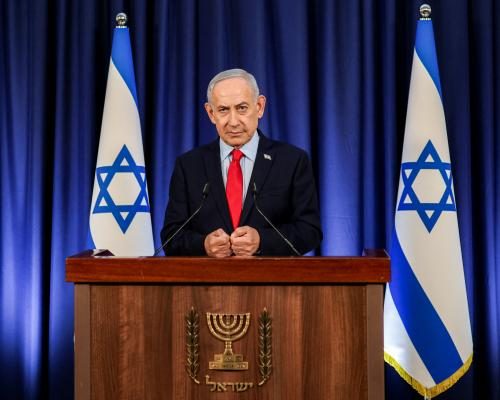
In a press conference, Israeli Prime Minister Benjamin Netanyahu suggested a need for a "ground component" in the military strategy against Iran, arguing that airstrikes alone would not be sufficient to change the Iranian regime. "It is often said that you can't do revolutions from the air," Netanyahu stated, emphasizing the necessity of ground operations. He declined to disclose specific details about potential ground strategies.
This statement contrasts sharply with former President Donald Trump's position. Trump articulated that he had no plans for U.S. ground troops to be involved, asserting, "I'm not putting troops anywhere," while also acknowledging that he wouldn't publicly disclose such plans if they existed. The divergence in their views raises questions about the alignment of U.S. and Israeli military strategies in the region.
Domestic Reactions and Ongoing Asylum Issues
Domestically, the turmoil within Iran is manifesting in various ways, notably in the realm of sports. Sardar Azmoun, a prominent Iranian football player, was reportedly expelled from the national team for appearing to show disloyalty to the government. His social media post featuring a meeting with Mohammed bin Rashid Al Maktoum, ruler of Dubai, drew the ire of authorities. This incident highlights the intersection of sports, politics, and national sentiment in Iran.
Meanwhile, the Iranian women's football team returned home after a contentious tour, during which some members sought asylum in Australia. The complexities of international relations are further reflected in these personal stories, illustrating the broader implications of the ongoing crisis.
As the situation evolves, analysts are closely monitoring the ramifications of these military actions and diplomatic stances. The possibility of increased military engagement, alongside the implications for energy markets and political stability, remains a pressing concern for both regional and global stakeholders. The ongoing conflict may reshape alliances and energy dependencies, reflecting the intricate dynamics at play in this volatile region.
Originally reported by The Guardian. View original.