
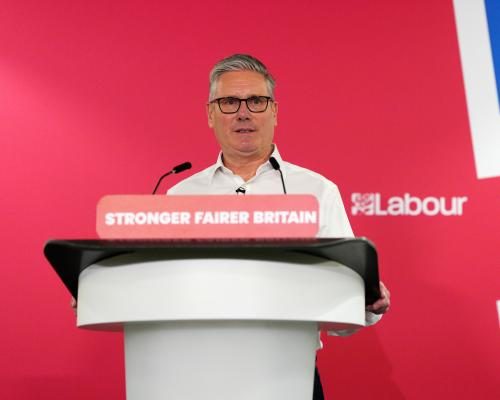
In a speech aimed at quelling unrest within the Labour Party, Keir Starmer found himself under intensified scrutiny following a resounding electoral setback. The Labour leader's address yesterday was intended to mark a turning point after the party faced significant backlash at the polls, yet it has done little to silence calls for his resignation. With more than 70 Labour MPs publicly urging him to step down, the pressure is mounting, particularly from senior cabinet ministers who are advocating for a smooth transition of leadership.
Starmer's Attempt to Reassure Party Members
During his address, Starmer reflected on the party's recent electoral challenges and insisted that the British public would not forgive Labour if it fell into a leadership crisis reminiscent of the tumultuous final years of the Conservative administration, which cycled through three prime ministers in just four years. He anchored his speech with three significant policy announcements aimed at both his left-leaning base and disenchanted voters. Originally reported by The Guardian.
The Labour leader pledged to legislate for the nationalization of British Steel, a move designed to shore up support from the party's left flank. He also promised a renewed commitment to improving relations with the European Union, including a youth experience initiative aimed at restoring a sense of opportunity among young people. Furthermore, he guaranteed that every young person facing unemployment would receive an offer of a job, training, or work placement.
However, policy analysts noted that many of these proposals echoed previous announcements, leading to skepticism about their novelty and effectiveness. Kiran Stacey, the Guardian's policy editor, remarked, "Starmer spoke about a youth guarantee scheme which has already been announced, some extra details on European negotiations which are already happening, and the nationalization of British Steel which is, in effect, already nationalised."
Labour Leadership Contest Heats Up
Starmer's speech aimed more at his colleagues than the electorate, according to political observers. While he criticized Reform UK leader Nigel Farage as "not just a grifter, he is a chancer," the focus remained firmly on his own party's internal dynamics. Despite the reassurance attempts, discontent within Labour ranks is palpable, and the speech has not quelled ambitions among potential leadership challengers.
One of the emerging figures in this leadership narrative is Catherine West, who had recently declared her candidacy against Starmer. However, she has shifted her stance, advocating instead for a timetable for Starmer's departure by September. This change signals a desire for an organized transition, gathering support for a confidence vote that could set the stage for a new leadership race.
Among those being watched closely is Health Secretary Wes Streeting, who could see this as his moment to step into the leadership fray. Political analysts suggest that with Andy Burnham out of parliament and Angela Rayner facing her own challenges, Streeting might hold the most potential to galvanize support among Labour MPs.
Broader Political Context in the UK
The Labour Party isn't the only political entity facing turbulence. The UK political landscape is marked by significant events, including a newly elected Reform UK councillor's resignation after making inflammatory comments on social media and a looming ceasefire crisis involving Iran. Former President Donald Trump has also weighed in, suggesting that the ceasefire effort is on "life support" and hinting at a potential resurgence of U.S. military presence in the Strait of Hormuz.
Additionally, a recent report from one of the UK's largest banks indicates that households are cutting back on spending at the fastest rate in 18 months. This decline in consumer expenditure comes amidst rising fears of a renewed cost-of-living crisis, further complicating the political climate in the UK. Meanwhile, a health study has linked active engagement in art and culture to slower aging, adding a unique twist to current public health discussions.
Looking Ahead: The Future of Labour Leadership
With the Labour Party facing a critical juncture, the next few months are crucial for Starmer's leadership. As pressure mounts from within, it remains to be seen whether he can navigate the challenges ahead and restore confidence in his leadership. Should the discontent grow, the likelihood of a leadership contest may increase, setting the stage for a potential reshaping of the party's future direction.
For now, Labour MPs are left grappling with the implications of Starmer's speech and the uncertain political terrain ahead. The party's ability to unite and present a coherent vision will be tested in the coming months as the UK's political dynamics continue to evolve.
Originally reported by The Guardian. View original.