
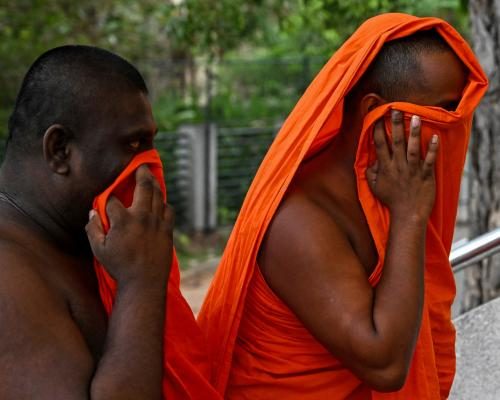
In a remarkable turn of events, Sri Lankan authorities detained 22 Buddhist monks after customs officials discovered 110 kilograms of high-grade cannabis concealed in their luggage at Colombo's Bandaranaike International Airport. This incident marks the largest drug seizure in the airport's history, raising questions about the involvement of religious figures in the drug trade.
The group, primarily composed of junior monks in training from various temples across the country, was returning from a four-day holiday in Bangkok when the illicit cargo was uncovered. According to a spokesperson from Sri Lanka Customs, the monks had approximately five kilograms of the potent strain known as 'kush' hidden within false compartments in their luggage. Originally reported by The Guardian.
Details of the Arrest
The dramatic incident unfolded on Saturday when customs officials conducted routine checks on arriving passengers. Upon discovering the concealed cannabis, authorities quickly apprehended the monks and handed them over to police for further investigation. The haul, valued at an astonishing 1.1 billion rupees (approximately £2.5 million), has shocked the nation and prompted a deeper investigation into the monks' activities.
Video footage circulated on social media showed the monks attempting to shield their identities with their robes as they faced scrutiny from law enforcement. Following their detention, the monks were brought before a magistrate on Sunday, where they faced charges related to drug trafficking. Their involvement in the incident has raised eyebrows, particularly given the Buddhist monastic community's emphasis on moral conduct.
Connections to Organized Drug Networks
As authorities delved deeper into the case, a 23rd monk, believed to have orchestrated the trip, was arrested in a Colombo suburb. This monk, who did not accompany the group to Bangkok, allegedly informed the other monks that the packages they were carrying were a "donation" and that a van would come to collect them upon their return. This revelation suggests a more extensive network may be at play, potentially involving organized crime.
The saga has drawn parallels to a previous incident involving a British woman, Charlotte May Lee, who was arrested in May 2022 at the same airport with 46 kilograms of cannabis. Lee claimed she was unaware of the drugs in her luggage, sparking debate over security measures in the airport and the smuggling of narcotics.
Public Reaction and Implications
The shocking arrest of the monks has sparked outrage and disbelief across Sri Lanka. Many citizens are grappling with the idea that individuals who represent a spiritual and moral authority could be implicated in drug trafficking. This incident not only tarnishes the image of the Buddhist community but also raises concerns about the potential for drug-related corruption within religious institutions.
Social media platforms have been flooded with reactions, ranging from condemnation to speculation about the monks' motivations. Some have criticized the trip to Bangkok as a potential cover for illicit activities, while others have expressed sympathy for the young monks, suggesting they may have been misled or coerced into participating in the scheme.
Future of Drug Enforcement in Sri Lanka
In light of this unprecedented bust, Sri Lankan authorities are likely to enhance their scrutiny of incoming and outgoing flights. The government may also reevaluate its drug enforcement strategies, particularly at international airports where such large quantities of narcotics can be trafficked undetected. The incident serves as a reminder of the ongoing battle against drug trafficking in the region, highlighting the need for vigilance and comprehensive measures to combat this growing issue.
As investigations continue, the fate of the detained monks and the broader implications for Sri Lanka's religious and social fabric remain uncertain. The country's response to this scandal could set a precedent for how religious figures are treated in the face of criminal allegations, especially in a society where Buddhism plays a central role in cultural identity.
Originally reported by The Guardian. View original.