
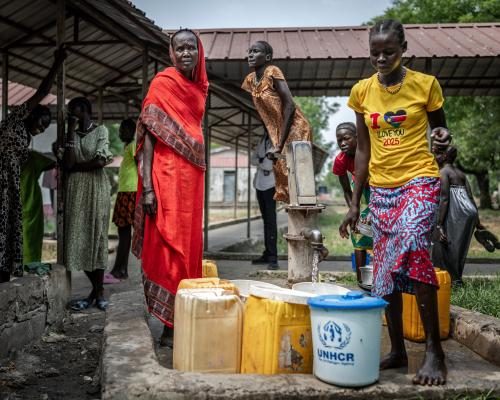
In response to unprecedented global instability, the UK government has decided to increase defence spending at a pace not seen since the Cold War, while simultaneously reducing overseas aid. This decision, influenced by conflicts in the Middle East, Ukraine, and Sudan, has stirred debate on the balance between national security and humanitarian responsibilities.
Escalating Global Instability and Security Threats
The current geopolitical landscape is marked by significant turmoil, with regional conflicts intensifying across various regions. The Middle East is experiencing heightened Tensions, particularly with Iran trying to disrupt the global economy through threats in the Strait of Hormuz. Meanwhile, humanitarian crises are emerging in places like Lebanon, further complicating already dire situations in Ukraine, Gaza, and Sudan. Originally reported by The Guardian.
The UK's involvement is active; British fighter jets are currently engaged in defensive operations in the Middle East, and a carrier strike group is poised for deployment to the North Atlantic and Arctic regions. With the government's security services warning about continuous threats, including cyber-attacks, the need for increased defence funding has become urgent.
Government's Tough Decisions on Defence and Aid
Faced with rising security threats, the UK government made the difficult choice last year to ramp up defence spending, marking the fastest increase since the end of the Cold War. However, this escalation comes at the cost of overseas aid, with plans to cut spending in that area over the next three years. Critics, including figures like Nigel Farage and Kemi Badenoch, have suggested a complete withdrawal from international development. In contrast, Labour emphasizes the importance of maintaining a commitment to global humanitarian efforts.
Labour leaders assert that supporting international development is essential not only for moral reasons but also for national interests. The party argues that investing in global stability helps address the root causes of insecurity and, ultimately, enhances the UK's own security and economic standing.
Strategic Reforms in Development Aid
Despite the reduction in overall development spending, Labour is committed to reforming and prioritizing aid to ensure it is more impactful. Specific attention will be given to the countries facing the most severe humanitarian crises. Sudan, Palestine, and Ukraine will continue to receive support, with Lebanon recently added to this priority list. The government aims to break the cycle of conflict and poverty, particularly in long-embattled regions like Sudan.
The strategy will involve a stronger link between development and conflict resolution, with an emphasis on education initiatives in conflict zones. By focusing on areas where UK investments can significantly change lives, such as partnerships with Gavi, the vaccine alliance, Labour aims to leverage scientific expertise to save lives and foster sustainable development.
Innovative Financing and a Shift to Partnerships
To address the vast financial needs that traditional aid budgets cannot meet, Labour plans to explore innovative financing solutions. This includes mobilizing private sector funds through climate finance programs and enhancing investments via the British International Investment initiative. The government will also advocate for international development banks to increase their investments in fragile countries while pursuing further debt relief measures.
A key aspect of this new approach to development will be a shift from a donor-centric model to one based on partnership. Development Minister Jenny Chapman is leading this transformation, emphasizing the importance of empowering countries to build their own capacities rather than relying solely on external aid.
The UK aims to modernize multilateral institutions essential for tackling global crises and poverty, demonstrating a commitment to collaborative international action. This strategy underscores the belief that working together yields greater benefits and maximizes the impact of aid.
Finally, the UK government remains steadfast in its commitment to support women's rights and health, even as other countries retreat from this crucial area. This focus on gender equality and the empowerment of women and girls is being prioritized not only in development funding but across all facets of the Foreign Office's work. As the challenges of global instability continue to evolve, the UK's dedication to its values, even amidst financial constraints, will be tested in the coming years.
Originally reported by The Guardian. View original.