
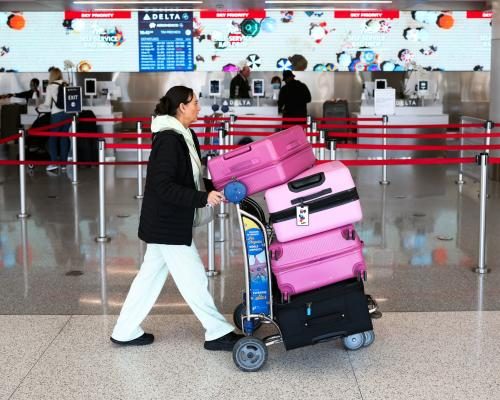
In response to soaring jet fuel prices linked to the escalating conflict in Iran, several major US airlines have raised their baggage fees. Delta Air Lines, following the lead of United Airlines and JetBlue, announced the fee hikes just days after reporting anticipated strong profits for the upcoming financial quarter. The adjustments reflect the broader impact of turbulent oil markets on the airline industry.
Airlines React to Fuel Price Surge
On Tuesday, Delta Air Lines confirmed it would implement new baggage fees, increasing the cost of a first checked bag by $10 to a total of $45, while a second checked bag will now cost $55, up from $45. A third bag will incur a charge of $200, an increase of $50. These changes are set to take effect immediately, as the airline grapples with significant increases in operational costs driven by the ongoing geopolitical tensions in the Middle East. Originally reported by The Guardian.
Delta's decision comes on the heels of similar announcements from United Airlines and JetBlue, which raised their baggage fees last week, citing rising fuel expenses. United's adjustments marked its first increase in two years, with the airline now charging $45 for the first checked bag booked in advance, and $50 for last-minute arrangements. The second checked bag costs $55 or $60 depending on when it is booked. JetBlue has also adjusted its fee structure, although its pricing varies based on ticket purchase timing and travel peak periods.
Impact of the Iran Conflict on Jet Fuel Prices
The surge in fuel prices is largely attributed to the US-Israeli military actions against Iran that began in February. Following these escalations, Iran's closure of the Strait of Hormuz-critical for global oil transport-has contributed to the volatility in oil markets. According to Airlines for America, the average price of jet fuel at major US air hubs, including Chicago, Houston, Los Angeles, and New York, has jumped from $2.50 per gallon on February 27 to $4.81 as of Tuesday. This nearly doubling of jet fuel prices has placed immense pressure on airlines, forcing them to adjust their pricing strategies.
In addition to the direct impact of rising fuel costs, airlines are also facing logistical challenges. Many carriers have had to reroute flights to avoid conflict zones, resulting in increased fuel consumption and operational expenses. Delta's spokesperson acknowledged these challenges, stating, "These updates are part of Delta's ongoing review of pricing across its business and reflect the impact of evolving global conditions and industry dynamics." However, it remains unclear whether these fee increases will be temporary or if they will become a permanent fixture in the airline pricing model.
Profitability Amid Operational Challenges
Despite the challenges posed by rising operational costs, Delta is poised to report a pre-tax profit of approximately $1 billion for the quarter ending in June. This projection highlights the airline's resilience in the face of adversity. Delta CEO Ed Bastian touted the company's performance, noting that the airline delivered earnings more than 40% higher than last year, even as it contended with increased fuel prices and widespread operational disruptions.
Delta's revenue for the March quarter reached a record $15.9 billion, underscoring the strength of its brand and financial foundation. Bastian stated, "Delta's results underscore the power of our brand and the durability of our financial foundation." This profitability comes amidst a backdrop of rising costs and operational hurdles, suggesting that airlines are finding ways to maintain their revenue streams despite external pressures.
Industry-Wide Fee Adjustments
Other airlines are also taking steps to mitigate rising fuel costs. Major international carriers, including Qantas, Cathay Pacific, and Thai Airways, have imposed fuel surcharges to offset their increased expenses. British Airways is reportedly collaborating with its pilots' union to incentivize reduced fuel consumption during flights. These adjustments indicate a broader trend within the airline industry as companies navigate the financial strain caused by escalating fuel prices.
As airlines continue to adapt to the changing landscape, passengers can expect further changes in pricing structures. While fee increases are never welcome news for travelers, airlines are emphasizing that such adjustments are necessary to ensure their financial viability. With the uncertainty surrounding global fuel markets, both airlines and travelers alike will need to remain vigilant as they navigate the evolving air travel environment.
Originally reported by The Guardian. View original.