
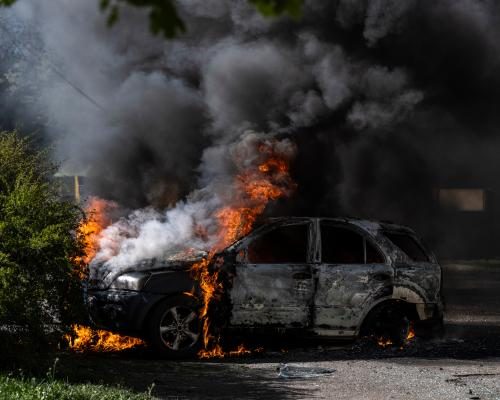
As tensions escalate in Eastern Europe, Russia has intensified its attacks on Ukraine's energy infrastructure, further straining a fragile geopolitical landscape amid ongoing discussions for a ceasefire. Ukrainian President Volodymyr Zelenskyy condemned Russia's recent missile and drone strikes, calling them an act of 'utter cynicism' as his nation grapples with the repercussions of the conflict.
Yerevan Summits Focus on Ukraine Recovery Loan
The ongoing summit in Yerevan, Armenia, has become a focal point for European leaders to discuss coordinated support for Ukraine, particularly regarding a substantial €90 billion recovery loan proposed by the European Union. UK Prime Minister Keir Starmer expressed strong support for joining this initiative, asserting that the benefits of participation far outweigh the costs. He emphasized the necessity of a united European front, stating, 'We cannot deny that some of the alliances that we have come to rely on are not in the place we would want them to be.' Originally reported by The Guardian.
Starmer's comments come at a time when NATO faces increased pressure from U.S. President Donald Trump, who has threatened to impose higher tariffs on European imports, adding another layer of complexity to transatlantic relations. The Prime Minister also noted that the UK's involvement in the loan plan could stimulate job creation domestically, highlighting the interconnected nature of European defense and economic stability.
Escalating Attacks and Human Costs
In a stark reminder of the ongoing conflict's human toll, Zelenskyy reported that recent attacks on Ukraine's energy facilities have resulted in the deaths of four individuals and left several others injured. The strikes, which occurred overnight, were part of a broader strategy by Russia to weaken Ukrainian infrastructure as discussions of a potential ceasefire emerge. Zelenskyy criticized Moscow's request for a truce to facilitate its Victory Parade on May 9, labeling it a cynical maneuver designed to distract from ongoing military aggression.
In a post on social media platform X, he stated, 'It is utter cynicism to ask for a ceasefire in order to hold propaganda celebrations while carrying out such missile and drone strikes every single day leading up to it.' Such remarks underscore the deep skepticism surrounding Russia's intentions, with Zelenskyy asserting that true peace requires tangible actions rather than empty gestures.
International Reactions and Ongoing Tensions
European Commission President Ursula von der Leyen also weighed in on the escalating tensions, particularly in light of Trump's recent threats to raise tariffs on EU imports from 15% to 25%. Speaking from Yerevan, von der Leyen asserted, 'A deal is a deal, and we have a deal, and the essence of this deal is prosperity, common rules and reliability.' She expressed the EU's commitment to upholding existing agreements while navigating the complexities of the current geopolitical landscape.
The ramifications of these tariffs could ripple across various sectors, complicating relations between the U.S. and its European allies. Both Trump and European leaders are aware that maintaining economic cooperation is crucial for collective security, especially amid an ever-evolving global threat landscape.
The Path Forward Amidst Uncertainty
As the situation in Ukraine remains precarious, the prospect of a ceasefire appears uncertain, with little indication that Russia will adhere to any proposed truce. Zelenskyy's suggestion for an earlier ceasefire beginning at midnight on Tuesday reflects Ukraine's desire for a diplomatic resolution, but the lack of trust in Russian leadership complicates these efforts.
He noted, 'It is time for Russian leaders to take real steps to end their war, especially since Russia's defence ministry believes it cannot hold a parade in Moscow without Ukraine's goodwill.' This statement highlights the paradoxical nature of the conflict, where military actions and diplomatic overtures exist in a tenuous balance.
As the world watches closely, the upcoming discussions in Yerevan could shape the future trajectory of both Ukraine's recovery and European unity in the face of external threats. With the specter of conflict still looming large, the need for concerted action among allied nations has never been more critical.
Originally reported by The Guardian. View original.