
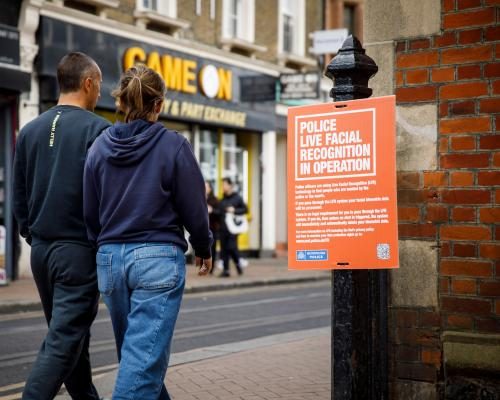
Facial recognition technology is rapidly becoming a staple in UK policing and retail, outpacing the legal frameworks meant to regulate its use. As police forces employ live systems to scan the public in real-time, retailers are also utilizing similar tools to identify suspected shoplifters. Proponents argue that this technology enhances public safety, while critics raise significant concerns regarding privacy and the potential for wrongful identification.
Rapid Deployment of Facial Recognition Systems
Over the past few days, reports have surfaced highlighting the increasing deployment of facial recognition technology across the UK. This surge in use has drawn attention to the lack of comprehensive regulations governing the technology's application. Police forces are increasingly using live systems that scan individuals in real-time, with the Metropolitan Police in London reporting that they have scanned over 1.7 million faces this year alone, an 87% increase compared to the same period in 2022. Retailers, too, are embracing this technology, with some using it to flag suspected shoplifters. Originally reported by The Guardian.
Advocates of facial recognition technology contend that it serves as an effective tool for law enforcement and retail security. They argue that it not only helps in apprehending criminals but also acts as a deterrent against theft and other crimes. However, as the technology becomes more prevalent, questions arise about the ethical implications and the adequacy of existing regulations to safeguard citizens' rights.
How Live Facial Recognition Works in Practice
During a recent trial in Croydon, journalist Robert Booth observed the deployment of live facial recognition cameras by police. These devices are mounted in public spaces, capturing images and comparing them against watchlists compiled by law enforcement or private companies. When a match is detected, officers receive an instant alert on their devices, prompting them to take action.
The speed and efficiency of this system have raised eyebrows. Booth described a scenario where a man was swiftly apprehended by officers after being flagged by the facial recognition software. "It was like a trap snapping shut," he noted, reflecting on the rapidity of police response. The technology creates a scenario where individuals can be identified and potentially detained without prior knowledge, leading to concerns about the implications for civil liberties.
Concerns About Misidentification and Public Scrutiny
Amidst the growing use of facial recognition technology, there are increasing reports of misidentification, which can lead to distressing situations for innocent individuals. One notable case involved Ian Clayton, a retired health and safety professional from Chester, who was incorrectly flagged as a thief by a store using the Facewatch system. Describing his experience, he said it felt "very Orwellian," indicating a sense of guilt imposed without due process.
The implications of such errors raise critical questions about how widespread these incidents are. While technological improvements may mitigate some issues, even a small error rate can have significant consequences as usage expands. Beyond individual cases, there's a growing concern regarding the normalization of constant surveillance in public spaces, where individuals may unknowingly be monitored and cross-referenced against databases.
Public Perception and the Future of Facial Recognition Technology
Public opinion on facial recognition technology remains divided. Some individuals, as observed by Booth in Croydon, express a belief that if one has nothing to hide, there's no reason to worry about being monitored. They point to the fact that facial recognition is already prevalent online and in various applications, suggesting that its integration into public safety measures is a logical extension.
However, this line of thinking overlooks the nuanced implications of surveillance and privacy rights. The conversation around facial recognition technology is far from settled, and as its use becomes more widespread, the need for clear regulatory frameworks is more pressing than ever. Advocates for privacy rights argue that it's essential to establish guidelines that protect citizens from potential abuses of this powerful technology.
As the landscape of public surveillance evolves, the balance between safety and privacy will continue to be a crucial debate. Policymakers and law enforcement agencies must consider the implications of their choices as they integrate new technologies into everyday life.
Originally reported by The Guardian. View original.