
In a controversial statement, former President Donald Trump declared he doesn't care about Iran's stockpile of highly enriched uranium (HEU), highlighting a shift in the narrative surrounding the recent military actions against Tehran. Speaking to Reuters on Wednesday, Trump asserted, "That's so far underground, I don't care about that," suggesting that the HEU, which is believed to be stored deep underground, could simply be monitored by satellite. This declaration has sparked questions regarding one of the primary justifications for the US-Israeli offensive against Iran, which began on February 28.
Military Actions and Nuclear Concerns
Experts are now scrutinizing the implications of Trump's remarks in light of the military strategy employed against Iran. The offensive, which aimed to disrupt Iran's nuclear capabilities, risks leaving the Tehran government in control of approximately 440 kilograms of HEU. According to nuclear proliferation analysts, if the conflict concludes without addressing this stockpile, Iran will be significantly closer to producing nuclear weapons than if diplomatic negotiations had been pursued instead. Originally reported by The Guardian.
In his address to the nation, Trump elaborated further on his stance, stating, "If we see them make a move, even a move for it, we will hit them with missiles very hard again." His comments seemingly eliminate the possibility of a military operation aimed at retrieving the HEU, which is believed to be concealed in tunnels and deep shafts across Iran.
Failed Diplomatic Negotiations
The backdrop to this military action includes diplomatic discussions that were actively taking place prior to the US-Israel offensive. On February 26, two days before the war began, the US and Iran were engaged in negotiations in Geneva, where Iranian officials had proposed diluting their HEU stockpile to low-enriched uranium. They also indicated a willingness to reduce their overall enrichment and accept a multiyear pause on uranium enrichment activities, which would allow for comprehensive monitoring by the International Atomic Energy Agency (IAEA).
UK national security adviser Jonathan Powell was present at the Geneva talks and reported that significant progress had been made, a sentiment echoed by Omani mediators involved in the discussions. However, the offensive interrupted this potential breakthrough, leading to concerns that the military action may have escalated rather than mitigated nuclear risks.
Experts Assess the Fallout
Experts in nuclear proliferation are now weighing the consequences of Trump's dismissal of the HEU stockpile. Emma Belcher, president of Ploughshares, a foundation focused on non-proliferation, expressed concern, stating, "We are actually less secure now from the nuclear threat than we were before he started the war, because they still have the material and we still have no greater insight into the material and what they might do with it." Belcher emphasized that simply being able to monitor the HEU from satellites does not effectively manage nuclear risk.
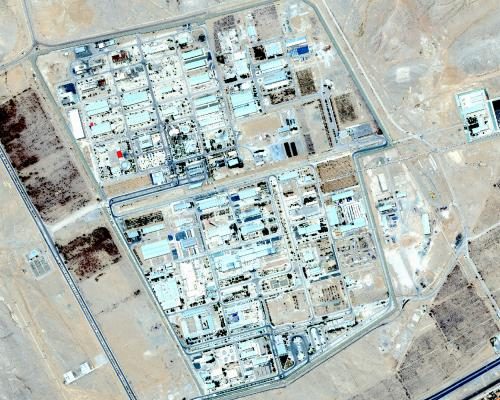
Furthermore, the IAEA has reported that approximately 200 kilograms of the HEU, enriched to 60% purity, is stored under a mountain near Isfahan. The potential for Iran to maintain this stockpile heightens the urgency for international oversight and diplomatic engagement, rather than military confrontation.
Potential Military Operations and Risks
Reports have emerged indicating that Trump had been briefed on a Pentagon proposal to secure and extract the HEU stockpile. This operation would have required significant military resources, including controlling a mountainous region of Iran and establishing a runway for cargo planes to transport the HEU out of the country. Such an endeavor would expose troops to considerable risks over an extended timeline.
Trump's recent comments suggest a reconsideration of the feasibility and risks associated with such missions. By prioritizing military deterrence over direct action to secure the uranium stockpile, the administration may be acknowledging the complexities involved in addressing Iran's nuclear capabilities.
The HEU stockpile itself is a consequence of Trump's earlier decision in 2018 to withdraw from the multilateral nuclear agreement, which had effectively limited Iran's uranium enrichment to below 4%. Following the collapse of this deal, Iran escalated its enrichment, raising alarms among international observers.
As the geopolitical landscape evolves, the questions surrounding Iran's nuclear ambitions remain critical. The juxtaposition of military action against Iran and the failure to secure its uranium stockpile raises significant concerns about the efficacy of US foreign policy in curbing nuclear proliferation. Without a robust diplomatic framework, the specter of a nuclear-capable Iran looms larger than ever, challenging both regional and global security.
Originally reported by The Guardian. View original.