
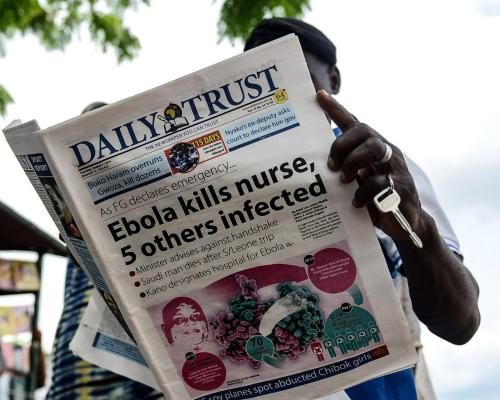
The World Health Organization (WHO) has officially classified the ongoing Ebola outbreak in the Democratic Republic of Congo (DRC) and Uganda as a "public health emergency of international concern." This declaration was made on Sunday, highlighting the severity of the situation, though the outbreak is not classified as a pandemic emergency.
As of Saturday, the WHO reported troubling figures: 80 suspected deaths, eight laboratory-confirmed cases, and 246 suspected cases across various health zones in DRC's Ituri province, which includes the areas of Bunia, Rwampara, and Mongbwalu. The DRC health ministry had already indicated on Friday that the new outbreak had claimed 80 lives in the eastern province. In Uganda, two unrelated laboratory-confirmed cases, including one death, were reported in the capital, Kampala, involving individuals who had traveled from the DRC. Furthermore, a confirmed case was also noted in Kinshasa, the capital of DRC, from a person returning from Ituri. Originally reported by The Guardian.
Growing Concerns of Community Transmission
The alarming spread of the virus has led the Africa Centers for Disease Control and Prevention (Africa CDC) to warn of "active community transmission". Health officials are intensifying efforts for screening and contact tracing to contain the outbreak. The risk of transmission is heightened due to the highly contagious nature of the Ebola virus, which can be transmitted through bodily fluids such as blood, vomit, and semen.
Residents in Bunia, the capital of Ituri, have expressed deep concern over the rising death toll. "Every day, people are dying.. and this has been going on for about a week. In a single day, we bury two, three, or even more people," stated Jean Marc Asimwe, a local resident. The fear and uncertainty surrounding the outbreak are palpable, as many in the community grapple with the reality of frequent burials and the unknown nature of the disease.
Mapping the Outbreak's Trajectory
The initial outbreak was reported in the Mongwalu health zone, a region known for high traffic due to mining activities. Dr. Jean Kaseya, director-general of Africa CDC, noted that as patients sought medical care, the cases spread to Rwampara and Bunia, complicating containment efforts. Current data indicates a significant number of active cases remain within the community, particularly in Mongwalu, further hampering effective contact tracing.
Insecurity in Ituri adds another layer of complexity to the situation. The region has seen rampant violence from Islamic State-backed militants, which restricts health officials' ability to conduct surveillance and response operations effectively. Given that the DRC is the second-largest country in Africa, logistical challenges also impede the timely delivery of medical supplies and expertise to the affected areas.
Historical Context and Response Challenges
The DRC has a history of dealing with Ebola outbreaks but frequently encounters hurdles in managing them effectively. The geographical vastness of the country means that provinces can be far apart, making transport and communication difficult, particularly in conflict-ridden areas like Ituri. The current outbreak, which has already seen numerous fatalities and confirmed cases, underscores the urgent need for swift and coordinated action.
As the WHO and local health authorities work to combat the outbreak, the need for international support and resources becomes increasingly crucial. The World Health Organization's recent declaration is intended to mobilize global assistance and raise awareness about the urgent nature of this health crisis. With many lives at stake, the situation demands immediate attention and action from the international community.
In summary, the Ebola outbreak in Congo and Uganda poses a significant public health threat, with a rising number of suspected and confirmed cases. As efforts to contain the virus continue, health officials remain on high alert, striving to prevent further transmission and protect vulnerable populations.
Originally reported by The Guardian. View original.