
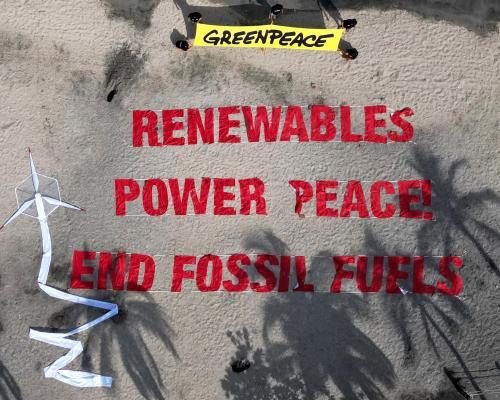
In light of soaring oil prices, driven by geopolitical tensions, nearly 60 nations convened in Santa Marta, Colombia, last week to forge a new alliance aimed at transitioning away from fossil fuels. Following warnings from U.S. President Donald Trump about a prolonged blockade of Iranian ports, oil prices surged to their highest levels since Russia's invasion of Ukraine, amplifying fears of a global recession. This unprecedented summit focused on crafting individual roadmaps for each country to reduce dependence on fossil fuels and embrace renewable energy sources.
Despite the looming economic threats posed by fossil fuel reliance, the Santa Marta conference was filled with hope and determination. As global oil prices reached alarming heights, the participating nations recognized the urgency of developing strategies that prioritize sustainability. The consensus among these governments was clear; the time to act is now. Fiona Harvey, the Guardian's environment editor, emphasized the significance of this gathering, noting that while it wouldn't replace the UN climate process, it serves as a critical step toward addressing climate challenges. Originally reported by The Guardian.
The Rising Cost of Fossil Fuels
Last week, oil prices skyrocketed after President Trump indicated that a blockade of Iranian ports could persist for months. This announcement sent shockwaves through the global economy, with prices hitting levels not seen since the onset of the Ukraine conflict. The growing inStability in the Middle East has not only raised concerns about the reliability of fossil fuels but has also sparked a renewed interest in renewable energy sources.
As the situation unfolds, many governments, businesses, and individuals are increasingly looking toward solar, wind, and other renewable energies as viable alternatives to fossil fuels. This pivot is crucial, especially as energy demand continues to rise globally. The International Energy Agency's executive director, Fatih Birol, stated that the current geopolitical climate is reshaping perceptions of the fossil fuel industry, saying, "The vase is broken, the damage is done - it will be very difficult to put the pieces back together." This sentiment highlights a significant shift in energy strategies worldwide.
Coalition of the Willing: A New Approach
The summit in Colombia, organized in partnership with the Netherlands, emerged from a collective frustration with the slow pace of the UN climate processes. While the conference may lack participation from some of the largest global emitters, it gathered representatives from 59 nations, accounting for over half of the world's GDP, nearly a third of energy demand, and a fifth of fossil fuel supply.
Fiona Harvey pointed out that the summit represents a fresh opportunity for countries eager to take action on climate issues. She noted, "This summit is not going to solve the problems of the world, or replace the official UN climate process, but in its own way, it can help solve some of the current problems in the climate movement." The gathering serves as a platform for nations to collaborate, share best practices, and communicate effectively about the pressing need for climate action.
Global Implications of the Iranian Conflict
The ongoing tensions between the U.S. and Iran have inadvertently influenced the renewable energy landscape. As the price of oil continues to rise, there is a growing realization that reliance on fossil fuels is becoming increasingly risky. This shift is not lost on governments worldwide, as many begin to question the long-term viability of fossil fuels.
The irony of the situation is stark; while the U.S. administration under Trump's leadership has taken steps to downplay climate issues, the consequences of the Iranian conflict have catalyzed a newfound urgency toward renewable energy. Countries that once lagged in their commitment to green technologies are now exploring alternatives, spurred by the instability of fossil fuel markets. The war has fundamentally changed how nations view fossil fuel dependence, a sentiment echoed by experts who foresee lasting repercussions in global energy markets.
As the world grapples with these changes, the coalition formed in Colombia may play a pivotal role in shaping a sustainable future. While the road ahead is fraught with challenges, the momentum generated by this summit could be the catalyst needed to drive widespread adoption of renewable energy solutions.
Originally reported by The Guardian. View original.