
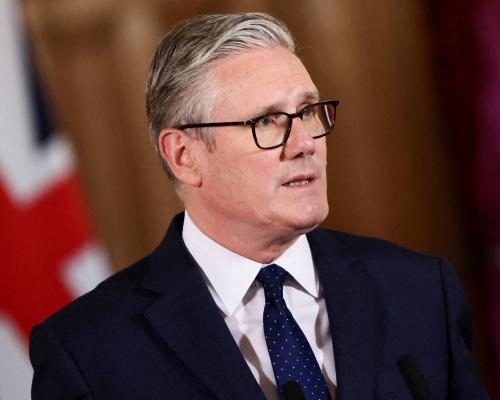
In a significant move to strengthen ties with the European Union, UK Labour leader Keir Starmer announced that he aims for the UK to join the EU's €90 billion (£78 billion) loan scheme for Ukraine. Starmer's announcement came during the European Political Community summit in Yerevan, Armenia, where he is currently in attendance. This initiative not only seeks to bolster support for Ukraine amid ongoing conflict but also aims to open new opportunities for British businesses.
Starmer's Historic Visit to Armenia
Keir Starmer's presence in Armenia marks a notable occasion, as he is only the second British prime minister to visit the country, following in the footsteps of Margaret Thatcher in 1990. His attendance at the European Political Community summit underscores the UK's commitment to engaging with Europe post-Brexit. The EPC, established four years ago, includes all EU nations and nearly all European countries outside the EU, providing a platform for dialogue on pressing issues. Originally reported by The Guardian.
While many Members of Parliament (MPs) back home are campaigning for the upcoming elections this Thursday, Starmer's focus is firmly on international diplomacy and securing enhanced support for Ukraine. Speaking to the media shortly after arriving at the summit, he highlighted the dual benefits of the EU loan, stating, "In relation to the EU loan that we are discussing participating in, that is very good for Ukraine, because it will give Ukraine capability that is desperately needed in year five of this conflict. It's very good for the UK, because of the capability that leads to jobs in the United Kingdom."
Access to Contracts and Economic Benefits
Joining the EU loan scheme is expected to create significant economic opportunities for the UK, particularly for British defense industries. The funding would enable UK firms to access numerous contracts designed to support Ukraine's military needs, which have escalated as the conflict continues. Starmer emphasized that this initiative is not merely a one-off but part of a broader strategy to enhance UK-EU relations.
Downing Street has noted that participation in the loan would also advance the UK's position in the discussions leading up to the anticipated UK-EU summit later this summer. This summit aims to explore deeper economic and security cooperation between the two sides, a subject that has gained urgency given the evolving geopolitical landscape.
Political Reactions and Future Negotiations
Starmer's proposal comes at a time when the UK government is reportedly facing pressure to reassess its relationship with the EU. According to a report by the Times, if Starmer's Labour party wishes to facilitate closer access to the EU single market, it may be required to make annual payments to Brussels for the first time since Brexit, potentially amounting to around £1 billion a year. However, the government has responded to this claim by stating that it does not recognize this figure and would not comment on ongoing negotiations.
This backdrop sets the stage for an interesting political landscape as Starmer seeks to align Labour with the growing call for improved relations with the EU. His efforts could resonate with voters who view strengthening ties with Europe as vital for the UK's economic future.
Looking Ahead: A New Chapter for UK-EU Relations
Starmer's advocacy for the UK to participate in the EU loan scheme represents a significant shift in the Labour party's approach to foreign policy, particularly regarding the EU. The invitation to engage more closely with European counterparts comes as both sides navigate a complex array of challenges, including security threats and economic instability.
As the UK prepares for its upcoming elections, the implications of Starmer's proposals may play a critical role in shaping the political dialogue. His vision for a collaborative approach with the EU could appeal to constituents looking for stability and economic growth in these uncertain times. With discussions on security and economic cooperation on the horizon, the relationship between the UK and EU is poised for potential transformation.
Originally reported by The Guardian. View original.