
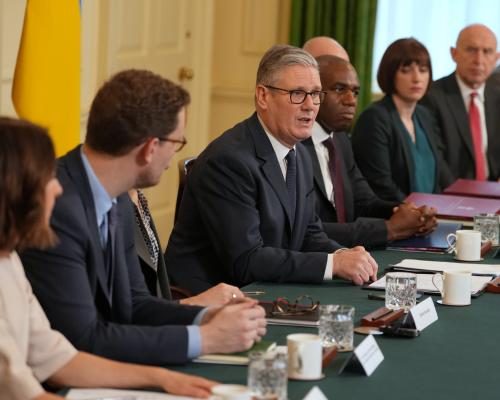
Cabinet ministers within the Labour Party are actively reviewing a comprehensive economic blueprint designed to address growing public discontent over the cost of living crisis. The proposal includes radical measures such as devolving tax powers, abolishing national insurance, and enacting significant reforms to property tax. This initiative, circulated among numerous MPs, emphasizes the urgent need for a fundamental shift in economic policy to prevent disillusioned voters from turning towards hard-right alternatives in the next Election.
Blueprint for Economic Change
The report, provisionally titled the Beveridge Report for the Economy, highlights a troubling sentiment among voters: the belief that the economic system favors exploitation rather than rewarding hard work. It warns that without a decisive change in approach, Labour risks alienating its base, potentially paving the way for a hard-right government. The paper underscores the urgency of addressing rising costs driven by geopolitical factors, particularly the ongoing conflict in Iran, which has exacerbated increases in fuel, energy, and food prices. Originally reported by The Guardian.
Insiders note that the report argues for a significant rethinking of Labour's communication strategies. Many MPs have expressed frustration with attempts to label both Reform UK and the Greens as extreme or impractical. "The problem with the answers coming from the populists isn't that they're 'not sensible', it's that they're not radical enough," one Labour source pointed out, urging for a more profound examination of systemic issues that contribute to economic hardship.
Radical Proposals for Tax Reform
The paper advocates for an overhaul of the current tax system, proposing the elimination of employee national insurance, reforming council tax, and introducing a land value tax. This shift aims to create a system that rewards initiative and hard work while penalizing those profiting from economic scarcity. Additionally, it suggests substantial tax breaks for entrepreneurs to encourage growth and innovation.
Moreover, the report calls for expanded fiscal devolution, granting local mayors greater control over business rates and borrowing powers. This change would enable local governments to address their unique challenges without bureaucratic interference from central authorities. The aim is for the national government to focus on larger structural and geopolitical concerns rather than micromanaging local initiatives.
Political Implications and Strategic Engagement
Several potential leadership candidates within Labour, including Wes Streeting, Angela Rayner, and Andy Burnham, have reportedly engaged with the report, providing feedback and suggestions. The document has also attracted interest from various cabinet ministers, including those from the Treasury and the Ministry of Housing, Communities and Local Government. The anticipated formal launch of the paper is set for after the May elections, amidst ongoing speculation about Keir Starmer's leadership stability.
Andy MacNae, the MP for Rossendale and Darwen, emphasized the importance of this report, stating, "People in my constituency work hard, play by the rules, but increasingly feel like the system isn't on their side. This is one of the most creative and serious attempts I've seen to actually remake that system, so work and initiative pay again while taking on the vested interests profiting from the status quo."
Addressing Voter Discontent
The report's authors argue that current economic policies must be challenged to regain voter trust. They contend that many citizens are turning to parties like Reform UK and the Greens not out of a desire for extremism but rather a rejection of what they perceive as a declining mainstream offer. Labour is urged to present a bold vision that genuinely addresses the economic grievances of the public.
In a recent speech, Angela Rayner echoed these sentiments, asserting that the party must not merely go through the motions in addressing economic decline. She stated, "The change that people wanted so desperately needs to be seen, it needs to be felt. And we have to show that it is a Labour government that can deliver that change."
As Labour grapples with its identity and strategy moving forward, the implications of this economic blueprint could serve as a pivotal moment. By confronting the pressing issues of cost of living and rethinking its approach to taxation and local governance, the party aims to reclaim its relevance and voter support in an increasingly polarized political landscape.
Originally reported by The Guardian. View original.