
The Iranian foreign minister, Abbas Araghchi, is set to embark on a significant diplomatic tour across Pakistan, Russia, and Oman. This initiative aims to explore the possibility of reopening peace talks, which have stalled amid rising tensions and demands from Tehran for a permanent US-Israeli commitment to halt attacks on Iran. The tour marks a crucial step in Iran's efforts to address its key security concerns, particularly in light of ongoing geopolitical challenges.
Exploring Diplomatic Channels in Islamabad
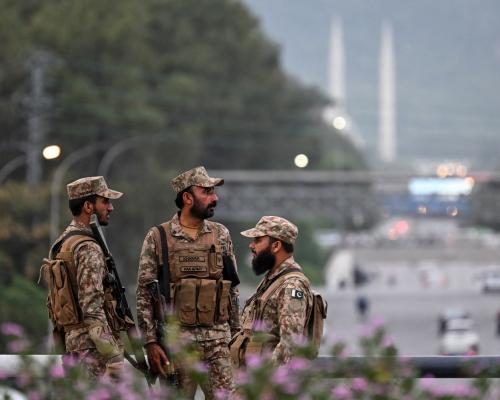
Abbas Araghchi's first stop will be Pakistan, where discussions are expected to focus on resuming bilateral talks with a US negotiating team led by Vice President JD Vance. Islamabad has positioned itself as a mediator, eager to bridge gaps between the conflicting parties. However, both the US and Iran remain entrenched in their respective demands, each believing they hold the upper hand in the negotiations. Originally reported by The Guardian.
While Araghchi is anticipated to engage with Pakistani officials, American negotiators Jared Kushner and Steve Witkoff are also reportedly heading to Islamabad for discussions. The presence of both sides in the same location raises hopes for potential dialogue, yet the reality is that neither party appears willing to compromise. Iran insists that it will not resume talks until the US lifts its blockade on Iranian ports, while the US calls for verifiable assurances regarding Tehran's nuclear program.
Negotiating the Strait of Hormuz
In addition to the broader peace talks, Araghchi is expected to discuss a new permanent arrangement for governing the strategic Strait of Hormuz with Oman. This waterway is critical for global oil shipments, and any instability in this region could have far-reaching consequences for international trade. Oman, which controls the southern end of the strait, has historically played a mediating role in Gulf tensions.
The Iranian foreign ministry spokesperson, Esmail Baghaei, emphasized the importance of negotiations focusing on ending conflicts while securing Iran's national interests. He stated, "We accept the ceasefire only if it is the first step to bringing the war to an end on all fronts." This reflects Iran's broader strategy to seek a comprehensive settlement that includes lifting sanctions and addressing compensation issues stemming from regional conflicts.
Nuclear Program and Sanctions: A Stalemate
Complicating the situation further, the US has indicated that it will not ease its blockade without verifiable commitments from Iran regarding its nuclear program. Reports suggest that Iran is considering a proposal to parcel its 400kg stockpile of highly enriched uranium, agreeing to dilute each parcel's enrichment level in exchange for the lifting of specific sanctions. This idea, however, remains in its nascent stages and would require extensive negotiation.
During his anticipated visit to Moscow, Araghchi may encounter renewed offers from Russia to assist with Iran's uranium stockpile, a move that has been suggested in the past. The Iranian leadership continues to explore the possibility of involving China as a guarantor of any forthcoming agreements, signaling Tehran's intent to diversify its diplomatic engagements.
US Military Presence and Regional Tensions
In the backdrop of these discussions, the Pentagon has ramped up its military presence in the region. Defense Secretary Pete Hegseth highlighted the ongoing US blockade, which he claimed has turned global, stating, "No one sails from the Strait of Hormuz to anywhere in the world without the permission of the United States Navy." This assertion underscores the significant power dynamics at play, with the US firmly asserting its maritime control amid Iranian actions in the strait.
Hegseth further warned that any Iranian attempts to disrupt shipping routes would be met with a strong military Response, drawing parallels to previous US actions against drug traffickers. The heightened military stance serves as a reminder of the fragile balance in the region, where both sides are prepared to escalate tensions further.
As Iran continues to assert its influence and seek assurances regarding its security, the international community watches closely. The outcome of Araghchi's tour could reshape the landscape of diplomacy in the region, with implications for both US foreign policy and regional stability.
Looking ahead, the diplomatic efforts initiated by Araghchi will be crucial in determining the future of peace talks. As both sides grapple with their respective demands and concerns, the potential for a breakthrough remains uncertain, but the stakes are undoubtedly high for all involved.
Originally reported by The Guardian. View original.