
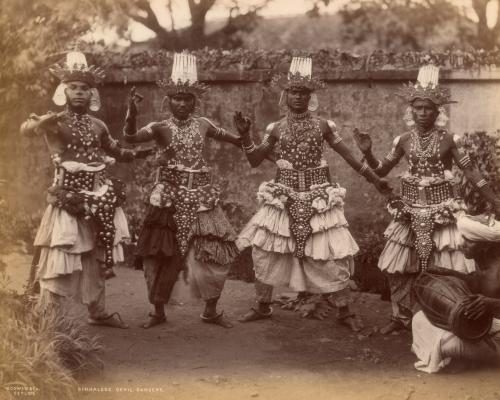
In an extraordinary exhibition at the Delhi Art Gallery (DAG), over 150-year-old photographs taken by British colonialists reveal a complex narrative of control and classification in India. These images, part of the book Typecasting: Photographing the Peoples of India 1855-1920, showcase how photography was employed as a tool of imperial power, aimed at categorizing and controlling the diverse populations of the subcontinent.
Colonial Photography: More Than Just Portraits
At first glance, the collection of photographs appears to consist of striking portraits featuring individuals with compelling expressions and intense gazes. However, the context of these images shifts their interpretation entirely. The goal of the British photographers was not to celebrate the individuality of their subjects but to systematically classify and categorize them as part of a larger ethnographic project. Through this lens, the photographs become less about personal stories and more about the imposition of colonial power. Originally reported by The Guardian.
The exhibition provides visitors a chance to reflect on this colonial perspective, offering insight into the motivations behind the photographic practices of the time. As curator and historian Sudeshna Guha notes, the British were deeply invested in the documentation and classification of the people they governed, a zeal that predated the invention of photography. However, with the advent of the medium, the British took their efforts to unprecedented levels.
Classifying the 'Other': The People of India Project
Between 1868 and 1875, the British launched a large-scale photographic project known as the People of India, which sought to categorize subjects into "generic types." The project aimed to understand the motivations, personality traits, and customs of the diverse communities inhabiting the subcontinent, ostensibly to exert more effective control over them. This initiative included contributions from notable photographers such as Benjamin Simpson and James Waterhouse, along with Indian commercial photographers, who captured the visual essence of various ethnic groups.
More than 160 surviving photographs have been compiled in the accompanying book, revealing a stark reality: the individuals portrayed are often stripped of their names, reduced to mere captions that describe them as ethnic specimens. Terms like "water carriers," "manure dryers," and "dancing girls" reflect the dehumanizing tendency of colonial classifications. Captions frequently contain sweeping generalizations that diminish the complexity of their subjects. For instance, members of the Bhogta farming community are described as notorious "rebels," while the Mochis are disparaged as "very unthrifty" individuals who spend their earnings on "riotous intoxication."
Agency in the Frame: Indigenous Responses to Colonialism
Despite the overarching narrative of control, there's evidence of indigenous agency in how many subjects chose to present themselves before the camera. One photographer remarked on the challenges posed by the sitters, who often resisted the imposed poses, reflecting their own sense of dignity and autonomy. He described the reluctance of some individuals to be photographed, noting that when confronted with a camera, they might become rigid or refuse to cooperate altogether.
Interestingly, some subjects, like the Lepcha man captured in Darjeeling, exude a sense of defiance against being reduced to mere objects of curiosity. This tension between the colonial gaze and indigenous self-representation adds layers of meaning to the photographs. Guha emphasizes that this interaction reveals a significant aspect of the cultural dynamics during British rule, where Indians actively navigated their identities in the face of foreign dominance.
Implications of Colonial Photography on Historical Narratives
The arrival of photography during the British Raj coincided with significant historical events, particularly the traumatic aftermath of the 1857 rebellion against East India Company rule. The British response to this uprising was marked by a heightened need for surveillance and control, leading to systematic surveys of the land and its people, including the first census in 1861. Guha explains that photography became a critical tool for the colonial government, providing a means to visually document and categorize the Indian populace while reinforcing a narrative of superiority.
Officials, army surgeons, and missionaries ventured across the Indian landscape with heavy equipment, capturing images that served both administrative and propagandistic purposes. These photographs not only facilitated the British desire to codify Indians by occupation and ethnicity but also played a role in shaping the historical narratives that would endure long after the end of colonial rule.
As the exhibition at DAG illustrates, these historical images serve as a reminder of the complexities of identity and representation during colonial times. They challenge viewers to reconsider the legacies of imperialism and the ways in which photographs can both inform and distort our understanding of history.
Originally reported by The Guardian. View original.