
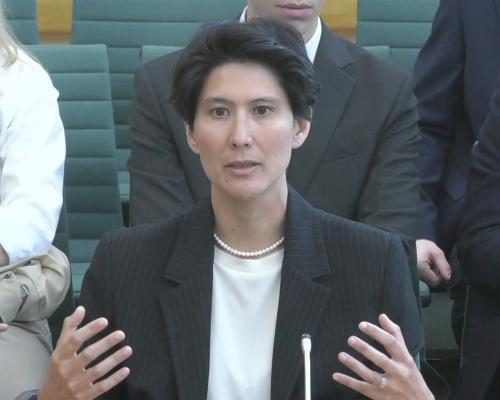
In a recent session lasting over 90 minutes, Cat Little, the head civil servant at the Cabinet Office, provided new insights into the Peter Mandelson Vetting scandal before the Foreign Affairs Select Committee. While her demeanor was largely measured, Little's evidence diverged from the previous testimony of Olly Robbins, the former permanent undersecretary at the Foreign Office, revealing critical aspects of the situation.
Key New Insights on Mandelson's Vetting Process
During her testimony, Little detailed the challenges she faced in obtaining information regarding Mandelson's vetting clearance. She stated that Robbins had denied her a summary that could clarify why Mandelson was initially refused clearance. "At the time, it was made clear to me that that information would not be forthcoming," Little explained. Consequently, she made the unusual decision to reach out directly to UK Security Vetting (UKSV) within the Cabinet Office to obtain the necessary details. This approach underscores the complexity of the situation and the apparent resistance she encountered. Originally reported by The Guardian.
Little elaborated on the discussions surrounding whether Mandelson, as a member of the House of Lords, required full vetting. Contrary to Robbins' description of a mere "debate," Little identified a series of emails indicating that it was the Foreign Office that initiated inquiries with UKSV about the necessity of vetting. She noted that, while the final decision was left to the Foreign Office, vetting was deemed necessary. This revelation raises questions about the Foreign Office's initial stance and the implications of their actions.
Absence of Official Approval for Mandelson's Appointment
One of the most striking revelations from Little's testimony was the apparent lack of documentation regarding Prime Minister Keir Starmer's approval of Mandelson's appointment. When the initial batch of documents was released under a Commons motion known as a "humble address," it was noted that the sections for Starmer's comments were blank. Little confirmed this absence, stating, "I have shared with you the information that we have," and emphasized that it is standard practice to maintain records of such important decisions. She further acknowledged that her follow-up inquiries yielded no evidence of any formal record, asserting, "I would expect to see some sort of record of the decision." This gap in documentation raises significant concerns about the transparency of the appointment process.
Foreign Office's Reaction Following Mandelson's Dismissal
Following Mandelson's dismissal on September 11, 2023, the Foreign Office's security team promptly requested access to documents related to his vetting file just four days later. Little did not elaborate on the motivations behind this request, but the timing suggests a possible sense of urgency within the Foreign Office, especially in light of Mandelson's connections to the late Jeffrey Epstein-a development that has drawn considerable public scrutiny. This swift action indicates that the Foreign Office may have been reacting to emerging concerns regarding Mandelson's background.
During her testimony, Little also addressed the contents of the vetting summary that surfaced through the humble address process. Previously described as containing minimal details, she clarified that the document was approximately ten pages long, suggesting it included substantial information regarding Mandelson's vetting history. This contradiction between earlier claims and the actual content of the summary further complicates the narrative surrounding Mandelson's vetting.
Implications of Little's Testimony on Future Vetting Processes
Cat Little's evidence to the Foreign Affairs Select Committee not only sheds light on the specific case of Peter Mandelson but also raises broader questions about the vetting processes within the UK government. The discrepancies in testimonies and the apparent lack of documentation highlight the need for greater accountability and transparency in government appointments, particularly for high-profile figures. As the inquiry continues, it will be crucial for the government to address these gaps and ensure that proper procedures are followed in future vetting processes.
As the fallout from the Mandelson saga unfolds, the implications of Little's testimony may prompt a reevaluation of how vetting and appointment processes are conducted within the UK's political landscape. The potential for reform in this area could lead to significant changes in how future candidates are vetted and approved, aiming for increased transparency and public trust in government operations.
Originally reported by The Guardian. View original.