
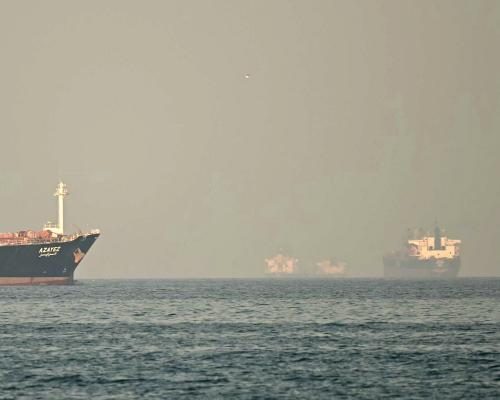
In a significant development for maritime trade, Malaysian Prime Minister Anwar Ibrahim announced on Thursday that Malaysian vessels have been granted permission to navigate the Strait Of Hormuz following successful diplomatic talks with regional leaders, including Iran's President Masoud Pezeshkian. This breakthrough comes amidst heightened tensions in the region, with Malaysia's oil supply heavily reliant on this critical waterway.
Diplomatic Efforts Yield Results
During a televised address, Anwar expressed gratitude to Pezeshkian for enabling Malaysian ships to transit the strait, a vital corridor for global oil shipments. "We are now in the process of releasing the Malaysian oil tankers and the workers involved so that they may continue their journey home," he stated. This move is crucial, as about 50% of Malaysia's oil supply is transported through the strait. Originally reported by The Guardian.
The Prime Minister's discussions with leaders from Iran, Egypt, Turkey, and other nations appear to have played a pivotal role in securing safe passage for Malaysian vessels. These diplomatic efforts are essential, especially in light of the ongoing geopolitical tensions that have threatened maritime navigation in the region.
Impact of the Strait's Blockade
The Strait of Hormuz, through which approximately 20% of the world's oil supply typically flows, has faced disruptions due to recent Iranian military actions. Anwar highlighted the adverse effects of the blockade, stating, "We are compelled to manage the situation because the effects of the blockade at the strait of Hormuz, the war, and the halted supply of oil and gas all have an impact on us."
Since Iranian forces effectively blocked the strait, only a limited number of cargo ships and tankers have managed to navigate through, primarily those from Iran, Thailand, and China. Earlier this week, a Thai oil tanker successfully crossed the strait after diplomatic negotiations between Thailand and Iran, illustrating the importance of dialogue in maintaining trade routes.
Recent Maritime Incidents
The maritime situation has been precarious, with reports of attacks on vessels in the region. A Thai-flagged cargo ship, the Mayuree Naree, was struck by unidentified projectiles earlier this month and subsequently ran aground near Iran's Qeshm Island. This incident, which resulted in a fire in the engine room, led to a rescue operation by the Omani navy, successfully saving 20 crew members, although three remain missing.
In the backdrop of these incidents, at least two Chinese-owned liquefied petroleum gas (LPG) carriers have also managed to transit through the strait. Moreover, a Chinese-owned containership named the Newvoyager crossed the waterway after making a payment to Iranian authorities, indicating that financial negotiations are part of the new maritime landscape.
International Reactions and Future Prospects
As the situation unfolds, the United Kingdom has proposed hosting an international security summit aimed at developing a collective strategy to ensure the safe reopening of the Strait of Hormuz. Defence officials have been active in discussions on how to alleviate the blockages affecting this crucial shipping lane, reinforcing the global interest in maintaining stability in the region.
The economic ramifications of the ongoing conflict in the region are far-reaching, impacting oil prices and global supply chains. The reestablishment of safe passages through the Strait of Hormuz would not only benefit Malaysia but also serve as a vital step towards restoring confidence in international maritime trade.
Looking ahead, the diplomatic engagements initiated by Malaysia could pave the way for more collaborative efforts among nations dependent on the strait. With the geopolitical climate continually shifting, the importance of securing safe passageways for maritime vessels remains a top priority for countries reliant on oil imports and exports.
Originally reported by The Guardian. View original.