
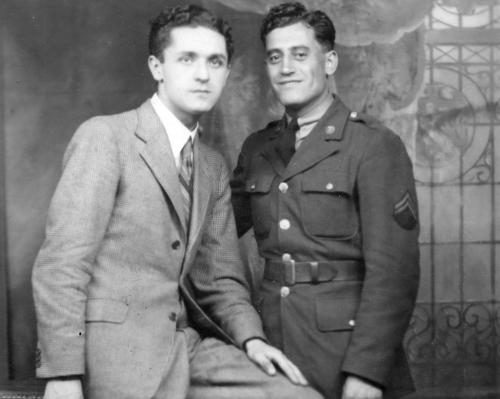
Northern Ireland is often seen as a bastion of homophobia, a reputation solidified by decades of intolerance and discrimination. However, new research by Tom Hulme, a historian from Queen's University Belfast, uncovers a surprisingly different narrative of acceptance towards gay men during the Victorian era and early 20th century. His book, Belfastmen: An Intimate History of Life Before Gay Liberation, published this week, challenges the conventional understanding of the region's past.
Revisiting Historical Attitudes Towards Homosexuality
For more than fifty years, Northern Ireland has been marked by a grim history of homophobia, with figures like Ian Paisley, leader of the Democratic Unionist Party (DUP), spearheading campaigns against the decriminalization of homosexuality. His infamous "save Ulster from sodomy" crusade in the 1970s exemplified the region's widespread intolerance. In the following decades, the Royal Ulster Constabulary used undercover officers to target gay men, often leading to arrests in public spaces. Originally reported by The Guardian.
The situation escalated in 2008 when Iris Robinson, then an MP and wife of DUP leader Peter Robinson, labeled homosexuality an "abomination," a sentiment that was later immortalized in a satirical opera. Despite these troubling developments, Hulme's research suggests that an undercurrent of tolerance existed in earlier times, particularly during the Victorian era.
The Benevolent Tolerance of the Past
Hulme's findings describe a culture of "benevolent toleration" in which gay men's identities were known and accepted within certain social circles. "I was expecting to find repression, but there was a sort of benevolent toleration," Hulme remarked. Friends, families, and employers often accepted that a man might remain unmarried or have close male friendships without openly discussing his sexual orientation.
This tacit acceptance allowed many gay men to live somewhat openly, albeit discreetly. The historian explained that while public displays of affection were virtually non-existent, a "live and let live" ethos prevailed, especially among the working class. This understanding created a secretive yet viable space for male queerness to exist without continuous condemnation.
Compassion Amidst Legal Persecution
Delving deeper into history, Hulme utilized public records and private documents, including the extensive journals of David Strain, a middle-class Protestant who chronicled his sexual identity over millions of words. These insights reveal that many men faced prosecution for sexual indecency, yet often received support from their families and communities. Relatives would testify on their behalf and assist with bail, demonstrating a compassion that was notably absent in cases like that of Oscar Wilde in England.
Hulme noted that while an arrest was undoubtedly a traumatic experience, many men returned to their previous lives after serving their sentences. Communities often turned a blind eye to sexual orientation, provided that discretion was maintained. This careful game, involving knowing nods and unspoken understandings, allowed many gay men to navigate their identities within the confines of societal norms.
Shifts in Political and Social Climate
As the global gay rights movement gained momentum in the mid-20th century, a moral panic erupted in Northern Ireland. The 1950s and 1960s saw religious and political leaders scrambling to define their stances on homosexuality, often resulting in increased denunciations. "The idea of being morally pure was an important part of Northern Ireland's self-conception," Hulme explained. Unionist politicians intervened in high-profile cases to avoid public relations disasters, illustrating how deeply intertwined politics and societal attitudes were.
Despite the oppressive climate, some gay men managed to carve out fulfilling lives. Jeff Dudgeon, a prominent gay rights activist, recounted how many found enjoyment in their sexual lives despite the threat of arrest. "Life was enjoyable for those who made it out into a gay sexual life, despite court catastrophes," he said, although he acknowledged that most men adopted a more traditional lifestyle, lacking the resources or knowledge to pursue romantic relationships.
Through the advocacy of figures like Dudgeon, who won a landmark European Court of Human Rights case in 1981 that decriminalized homosexual acts in Northern Ireland, the region has gradually moved towards greater acceptance. The DUP's resistance to same-sex marriage persisted until 2019 when Westminster intervened, aligning Northern Ireland with broader social progress.
Hulme's research shines a light on a forgotten chapter of Northern Ireland's history, suggesting that while the region is often painted as a landscape of intolerance, there existed pockets of acceptance that allowed gay men to find their way through a complex and often hostile environment.
Originally reported by The Guardian. View original.