
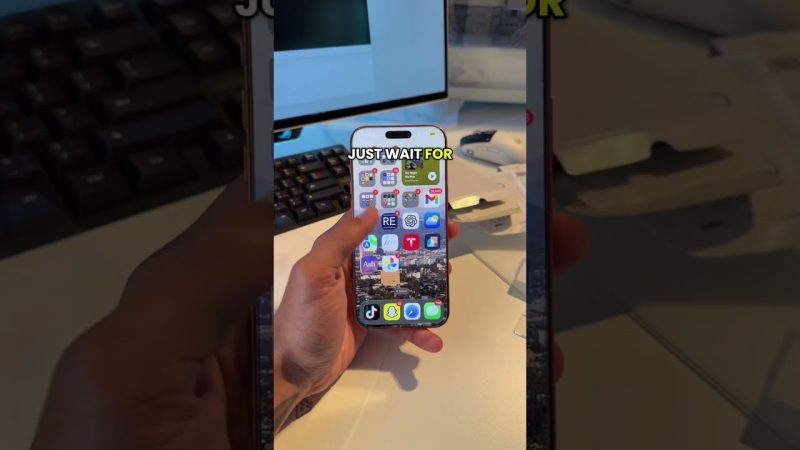
In a surprising investigation into the durability of touch screen technology, experts have begun to explore how multiple screen protectors can hinder functionality. A recent focus has targeted the iPhone, a popular device that many users safeguard with protective layers. It raises an intriguing question: How many screen protectors does it take for your touch screen to stop working?
Understanding Touch Screen Mechanics
Touch screens operate based on capacitive technology, meaning they rely on the electrical properties of the human body to detect input. When a finger touches the screen, it disrupts the electrical field, allowing the device to register the location and action. However, introducing multiple layers of material can alter this delicate balance. Screen protectors, while designed to shield devices from scratches and damage, can inadvertently interfere with this interaction. Originally reported by CarterPCs.
According to industry experts, if you add too many layers, sensors beneath the screen may struggle to detect touch accurately. This could lead to unresponsive areas, delayed reactions, or even complete inability to register touch altogether. Most people might not consider this when layering protective gear on their devices.
Real-World Testing and Results
In a recent informal test, tech enthusiasts experimented with various types of screen protectors on an iPhone. They began with a baseline of one standard tempered glass protector, which performed adequately. However, when they added a second protector, the touch sensitivity began to degrade. It became evident that even high-quality protectors might not work well in tandem.
As the layers increased to three and four, the touchscreen became noticeably less responsive, demonstrating that the initial layer, while functional, could not support additional protectors without compromising performance. Some users might not realize that stacking protectors could lead to a frustrating user experience. The takeaway? It's advisable to limit the use of screen protectors to one at a time to maintain optimal touch functionality.
Consumer Behavior and Misconceptions
Despite the findings, many consumers remain unaware of the potential downsides of multiple screen protectors. The market has seen a surge in protective products, from ultra-thin films to robust glass shields, leading users to believe that more is better. However, as the tech community is beginning to highlight, this isn't always the case.
Consumers often overlook the manufacturer's recommendations regarding how many protectors a device can support. For instance, Apple has not specified a limit, but anecdotal evidence suggests that one, high-quality protector is sufficient for most users. Moreover, some brands even warn against using additional layers, citing potential interference with touch responsiveness.
The Future of Screen Protection Technology
As the demand for mobile devices continues to rise, manufacturers are increasingly focusing on enhancing screen durability. Innovations in screen technology, such as Gorilla Glass or sapphire crystal, aim to provide a robust solution that reduces the need for additional protective layers. These advancements seek to balance durability with functionality, ensuring that users can enjoy their devices without compromise.
Moreover, companies are exploring self-healing materials and coatings that can ward off scratches without the need for external protectors. If these technologies become mainstream, it could change how users approach device protection altogether.
The general trend in consumer electronics suggests a shift towards more resilient devices, reducing the reliance on multiple screen protectors. This could ultimately lead to a better user experience, where touch sensitivity is preserved, and device aesthetics remain intact.
As technology evolves, so too will the methods we use to protect our devices. Understanding the limits of current screen protection solutions is key for consumers. The question of how many screen protectors it takes for your touch screen to stop working may have a straightforward answer: just one, provided it's the right one. As we look ahead, the intersection of innovation and user experience will likely dictate the future of touch screen technology and protection.
Originally reported by CarterPCs. View original.