
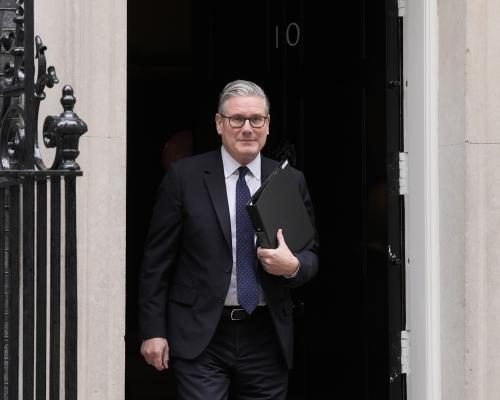
Keir Starmer's leadership is under intense scrutiny following revelations regarding the appointment of Peter Mandelson as ambassador to Washington. On Monday, Starmer told MPs that he had not been made aware of Mandelson's failed security vetting prior to his appointment. However, former Foreign Office permanent secretary Olly Robbins provided a contrasting account during his testimony to parliament, highlighting significant discrepancies that could impact Starmer's political future.
Robbins' Testimony Raises New Questions
During a two-and-a-half hour session before the foreign affairs select committee, Olly Robbins claimed he had been under considerable pressure from Downing Street to expedite Mandelson's appointment. His testimony diverged sharply from Starmer's earlier statements, indicating that the Foreign Office was not only pressured to confirm Mandelson's role but also to overlook critical aspects of the vetting process. Robbins described this situation as a result of a "dismissive" attitude from No 10 regarding the importance of security checks, stating that Mandelson had been granted access to sensitive government briefings despite his unapproved vetting status. Originally reported by The Guardian.
Robbins emphasized that by the time he took office, Mandelson's appointment had already been publicly announced and accepted by the United States, indicating that rejecting the clearance would have been politically damaging. He argued that he was presented with a vetting outcome deemed "borderline" and manageable, despite officials' recommendations against granting clearance. This raises critical questions about the decision-making process within the Foreign Office and the influence of political pressure on diplomatic appointments.
Political Fallout for Starmer
The fallout from Robbins' testimony could pose significant challenges for Keir Starmer as he navigates the political landscape. The Labour leader's credibility is at stake, and the discrepancies between his statements and Robbins' account have sparked a wave of criticism from opposition parties. Critics argue that this situation reflects a troubling pattern of prioritizing political expediency over due process in government appointments.
Starmer's handling of this diplomatic crisis will undoubtedly impact his leadership and the Labour Party's standing ahead of the next general election. Political analysts suggest that he must now address not only the specifics of the Mandelson appointment but also the broader implications of political interference in security vetting processes. The ongoing discourse could become a rallying point for his opponents, who may seek to exploit these revelations to undermine his authority.
Emerging Allegations of Further Political Manipulation
Adding to the complexity of the situation, Robbins revealed that there had been discussions about appointing Matthew Doyle, then-director of communications for the Prime Minister, to a senior diplomatic position. This revelation caught many committee members off guard and has raised further concerns about the transparency and integrity of the appointment process within the Foreign Office. Robbins claimed he was instructed not to inform then-Foreign Secretary David Lammy about these discussions, which has drawn condemnation from current officeholders like Yvette Cooper, who expressed her alarm over such practices.
This latest twist highlights a potentially troubling trend of sidelining key ministers in significant decisions, raising questions about accountability and governance within Starmer's administration. With the Labour Party already facing scrutiny over its internal dynamics, this revelation could further complicate Starmer's efforts to maintain unity and focus within the party.
Looking Ahead: Starmer's Next Moves
As the political landscape evolves, Keir Starmer must carefully navigate the ramifications of these revelations. Addressing the growing concerns over the vetting process and political interference will be crucial for restoring confidence in his leadership. Analysts suggest that Starmer could benefit from a more transparent approach, including a thorough review of the appointment process for diplomatic roles.
Moreover, Starmer will need to engage in open dialogue with party members and the public to rebuild trust and demonstrate his commitment to accountability. The upcoming weeks will be pivotal, as the Labour Party prepares for electoral challenges while grappling with the implications of the Robbins testimony. How Starmer responds to this crisis could very well define his premiership in the months to come.
Originally reported by The Guardian. View original.