
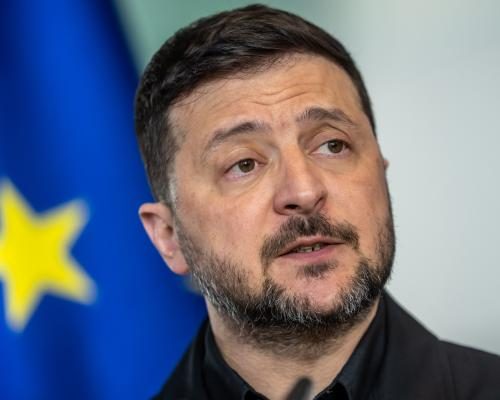
The European Union is on the verge of finalizing a critical €90 billion loan to Ukraine, a decision long delayed by Hungary's objections. After months of negotiations and public disagreements, the EU's 27 member states are meeting today to discuss the disbursement of funds vital for Ukraine's ongoing defense against Russian aggression.
Hungary's Stance and Pipeline Repairs
Hungary's Prime Minister Viktor Orbán has been a significant obstacle in the approval process for the loan, which was initially agreed upon during the European Council meeting in December. Orbán's government insisted that oil deliveries through the Druzhba Pipeline must resume before Hungary would consent to the payouts. Recently, Ukraine's President Volodymyr Zelenskyy confirmed that the damaged Druzhba pipeline, which transports Russian oil to Hungary and Slovakia, has been repaired and is ready for operation. Originally reported by The Guardian.
A senior official from Kyiv revealed that Ukraine plans to restart oil flows through the pipeline within hours. This development could pressure Hungary to lift its veto on the loan. According to EU's chief diplomat, Kaja Kallas, she anticipates a positive decision from the ambassadors of EU member states within the next 24 hours. The urgency of the situation is underscored by Ukraine's dire need for financial support to bolster its defense efforts amid ongoing conflict with Russia.
Impact of the Loan on Ukraine's Defense
The €90 billion loan represents a crucial lifeline for Ukraine, which is grappling with the financial strains of war. The country has been actively seeking international assistance to fund its military operations and restore its economy, which has been severely impacted by the conflict with Russia. Zelenskyy has been vocal about the pressing need for financial aid and has engaged in discussions with multiple EU leaders about securing this support.
With the existing tensions in the region, timely approval of the loan could significantly enhance Ukraine's capacity to defend itself. The funds would not only aid military operations but also contribute to essential public services and infrastructure, which have suffered considerable damage due to the war. The loan is seen as a critical step towards stabilizing Ukraine's economy and ensuring a robust defense against further aggression.
EU's Broader Geopolitical Considerations
The situation surrounding the loan approval is not solely about financial support; it is also emblematic of broader geopolitical dynamics within the EU. Hungary's position has raised questions about unity among EU member states, particularly regarding responses to Russian aggression. The reluctance of Hungary to approve the loan highlights the delicate balance the EU must maintain as it navigates differing national interests.
As tensions continue in Eastern Europe, the EU's decision today could reflect its commitment to a unified response against threats to its member states. The approval of the loan would signal solidarity with Ukraine and a collective determination to confront external pressures. Additionally, EU Energy Commissioner Dan Jørgensen is expected to address the implications of the ongoing Middle East crisis, further complicating the energy landscape in Europe.
Looking Ahead: A Critical Decision
As the EU ambassadors convene to discuss the loan, all eyes are on the potential outcomes of this pivotal meeting. If Hungary agrees to lift its veto, it would pave the way for immediate financial assistance to Ukraine, enabling the country to bolster its defenses just as oil flows are set to resume through the Druzhba pipeline.
President Zelenskyy's recent outreach to EU leaders underscores the urgency of this situation. The coming hours could prove vital for Ukraine, not just in terms of financial support, but also in reinforcing its position within the EU framework amidst ongoing geopolitical challenges. With reports indicating that oil could start flowing shortly, the EU's decision today could have lasting implications for both Ukraine's defense and the dynamics of EU unity in the face of external threats.
Originally reported by The Guardian. View original.