
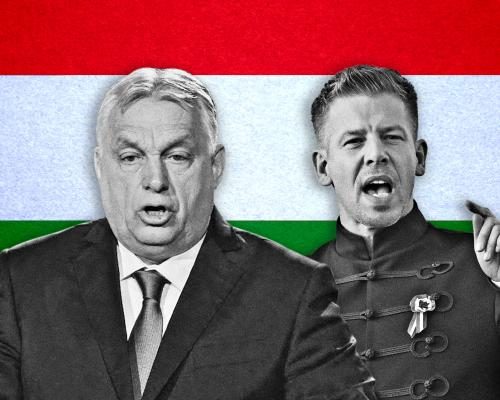
When it comes to hungary elections: what is at stake and who is likely to win?, on April 12, Hungary will hold a pivotal election that could reshape its political landscape. Prime Minister Viktor Orbán, who has held power for 16 years, is facing a formidable challenge from Péter Magyar, a former ally turned opposition leader. As the longest-serving leader in the European Union, Orbán has been a controversial figure, promoting what he terms an "illiberal democracy" while clashing with EU institutions over issues like rule of law, media freedom, and LGBTQ+ rights.
Understanding Hungary Elections: What Is At Stake And Who Is Likely To Win?
Viktor Orbán, 62, has transformed Hungary into a political entity that prioritizes traditional Christian family values, positioning himself as a bulwark against Western liberalism and multiculturalism. Since his ascent to power in 2010, he has consolidated authority through sweeping reforms that have undermined judicial independence and curtailed media freedoms. Orbán's administration has been accused of turning 80% of Hungary's media landscape into a propaganda apparatus for his ruling Fidesz party. Originally reported by The Guardian.
The Prime Minister's tenure has not only been marked by internal changes but also by aggressive foreign policy stances, especially regarding Russia. Orbán has maintained close ties with Vladimir Putin, continuing to purchase Russian oil and gas even after the Kremlin's invasion of Ukraine. This has drawn ire from Brussels, leading to the suspension of billions in EU funding over Hungary's policies on justice and migration.
As Orbán campaigns for re-election, he has framed the upcoming vote as a critical choice between stability and chaos, telling citizens they can preserve Hungary's security by supporting him or risk being drawn into conflict by electing Magyar.
Magyar's Emergence as a Serious Contender
Péter Magyar, 45, has emerged as a significant challenger to Orbán's long-standing rule. A former Fidesz loyalist and a diplomat turned politician, Magyar gained notoriety following the resignation of his ex-wife, Judit Varga, as justice minister over a controversial pardon issued by Hungary's president for a convicted sex offender. This incident propelled Magyar into the political spotlight, leading him to distance himself from Fidesz and launch his own party, Tisza (Respect and Freedom).
In the June 2024 European elections, Tisza captured 30% of the vote, finishing second to Fidesz. Magyar's platform emphasizes a return to pro-EU policies, ending Hungary's reliance on Russian energy, and restoring an independent media and judiciary. He has also pledged to tackle corruption that has become synonymous with Orbán's era.
However, Magyar faces a challenging electoral system designed to benefit Fidesz. Since 2010, Orbán has implemented significant changes, reducing the number of parliamentary seats to 199 and creating unevenly sized constituencies that favor his party. This means Magyar's Tisza party likely needs a 6% margin to secure a majority, despite polling averages showing it at 50% against Fidesz's 39%.
Polling and Public Sentiment Ahead of the Vote
As the election approaches, polling indicates a complex and shifting landscape. While Tisza enjoys an 8-12 percentage point lead among decided voters, many Hungarians remain undecided, with up to 25% of respondents not firmly aligned with either party. Concerns over domestic issues, such as healthcare and the economy, are paramount for voters. Hungary's economy has stagnated for the past three years, with food prices nearing the EU average and wages ranking among the lowest in the bloc.
Despite Orbán's populist messaging, which paints him as a protector of national stability, the electorate's focus is increasingly on economic concerns rather than the Prime Minister's narrative of international conflict. As such, the election results are likely to hinge on how effectively each candidate can engage with voters on these pressing domestic issues.
Global Implications of Hungary's Election
This election in Hungary is about more than just national politics; it has potential ramifications for the broader European landscape. Orbán has inspired other far-right leaders in the EU, including Slovakia's Robert Fico and France's Marine Le Pen. The outcome could shift the balance of power within the EU, particularly regarding Hungary's contentious relationship with Brussels on issues like migration and rule of law.
As April 12 approaches, all eyes will be on Hungary. The stakes are high, with not just the future of the country at play but also the implications for EU unity and the rise of far-right populism across the continent.
Originally reported by The Guardian. View original.