
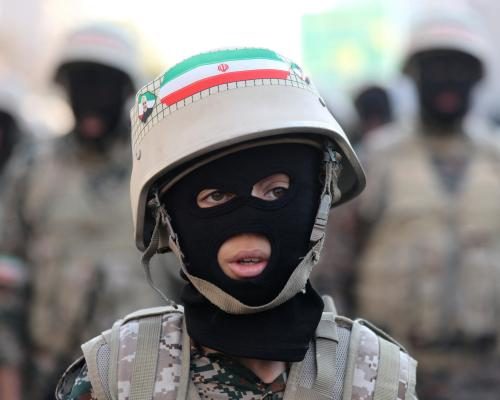
As the conflict in the Middle East intensifies, millions of children are caught in a humanitarian crisis marked by violence, displacement, and dire living conditions. With reports of child soldiers in Iran and mass displacements in Lebanon, the toll on young lives is staggering. According to UNICEF, over 340 children have been killed and thousands injured since the onset of the U.S. and Israeli military operations against Iran, which has retaliated with its own bombings throughout the region.
Tragic Casualties and Psychological Trauma
The violence has resulted in tragic casualties, with the first day of the war witnessing a horrific event where a U.S. missile strike on a school in Iran killed at least 160 children and teachers. As the conflict rages on, the situation in Gaza also remains dire. Health officials report that despite a ceasefire lasting more than five months, Israeli forces have killed at least 50 Palestinians since the conflict began, including children. Local rescue services reported that airstrikes on March 29 resulted in the deaths of at least six Palestinians, including a young girl. Originally reported by The Guardian.
UNICEF's Executive Director, Catherine Russell, stated, "Children in the region are being exposed to horrific violence, while the very systems and services meant to keep them safe are coming under attack." The psychological impact on these children is profound, with many suffering from acute trauma as they navigate the chaos surrounding them.
Displacement Crisis in Lebanon
The humanitarian crisis in Lebanon is severe, with more than 1.1 million people, including nearly 400,000 children, forced to flee their homes due to Israeli bombings and displacement orders. A UNICEF assessment reveals that about 90% of these displaced individuals are living outside shelters, with many resorting to sleeping on the streets. Nidal Ahmed, a 52-year-old father, is one of the displaced. He and his children are currently living in a makeshift tent in an encampment in Biel, a district of Beirut.
Ahmed's home in Tyre was destroyed during an airstrike on the second day of the Israel-Hezbollah war. He described their dire situation: "It's 5pm and we haven't had anything to eat today. We've only been able to give the kids tea and some bread." The family's living conditions are alarming; Ahmed tries to shield them from the rain with a makeshift cover, yet they wake up daily to soaked mattresses. The struggle for basic necessities is evident, as he relies on local organizations for food that arrives irregularly.
Long-Term Effects on Children
UNICEF's representative to Lebanon, Marcoluigi Corsi, has warned of the lasting effects of such relentless violence on children. He stated, "This relentless cycle of bombardment and displacement is severely compounding their psychological scars, embedding deep-seated fear and threatening profound, long-term emotional harm." Ahmed has observed these effects firsthand in his children. His young son has developed a reaction to the sound of Israeli jets, running in fear each time they break the sound barrier.
The emotional toll is exacerbated by family separations. Ahmed had to leave his wife and 17-year-old daughter in a hospital after they were injured in a bombing. He shared a heart-wrenching photo of his comatose wife, detailing her severe injuries: "They say she won't make it," he lamented, as he glanced at his children, aware of the impending grief that they will have to face.
The Broader Context of Violence in Gaza
The Gaza Strip continues to bear the scars of prolonged violence, with health officials indicating that the area has not yet Recovered from 23 months of Israeli bombardment that resulted in tens of thousands of deaths. A UN investigation has classified the situation as genocide, with Save the Children reporting that the number of child fatalities surpassed 20,000 late last year. This ongoing violence has left indelible marks on the fabric of Palestinian society.
Even as the world watches, the conflict shows no signs of abating. Young lives are being irrevocably altered by the horrors of war, and the international community faces growing pressure to respond to this escalating humanitarian disaster. The plight of children in the Middle East serves as a stark reminder of the urgent need for peace and protection for the most vulnerable amid ongoing geopolitical strife.
Originally reported by The Guardian. View original.