
When it comes to ‘we waited 12 years’: escapees from syria’s camps face an uncertain future, after over a decade of uncertainty, Xhetan Ndregjoni finally received the news he had been waiting for: his niece, Eva Dumani, was on her way home after escaping a harsh desert camp in Syria. Held without charge since childhood, Dumani's reunion with her family represents both a personal victory and a snapshot of the broader crisis unfolding in northern Syria.
Dumani, who was kidnapped from her home in Albania at the age of nine along with her younger brother, has faced unimaginable hardship. Her father, who took the children to Syria, was killed while fighting for the Islamic State. The gravity of their situation has only intensified during the years they were held, as the camp system has come under increasing scrutiny. Originally reported by The Guardian.
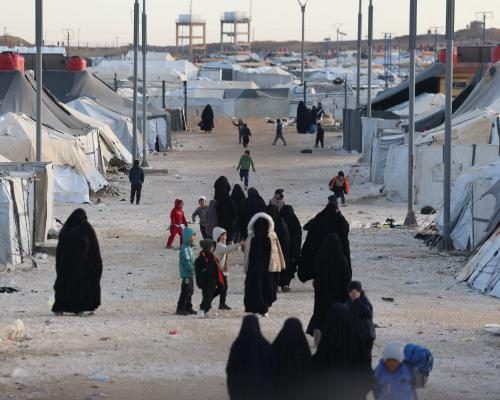
"I don't have the words to describe that moment," Ndregjoni recalled, reflecting on the emotional reunion. Dumani's return is a rare glimmer of hope amid what has been characterized as a humanitarian disaster in the region. Thousands of families still languish in camps like al-Hawl, where women and children from over 40 countries are detained without trial, raising alarms about security and human rights.
Understanding ‘We Waited 12 Years’: Escapees From Syria’s Camps Face An Uncertain Future
The al-Hawl camp, notorious for its dire living conditions, has seen thousands of women and children held under deplorable circumstances since the fall of ISIS in 2019. Reports from Human Rights Watch have described the situation as "inhuman, degrading, and life-threatening." Chronic shortages of food and medical care are commonplace, compounded by violence from women loyal to the Islamic State.
As the camp empties, fears grow that many detainees will be abandoned in a post-conflict zone, vulnerable to exploitation by extremist groups. "People are going to come back whether you want them to or not, specifically if they've escaped," said Devorah Margolin, a senior fellow at the Washington Institute for Near East Policy. This alarming reality has prompted renewed calls for governments to repatriate their citizens, many of whom have been held without charge for years.
Government Response and Repatriation Efforts
Internationally, the response to the crisis has been tepid, with many governments slow to act. In February, Belgian authorities arrested a woman charged in absentia for IS membership upon her return. An unnamed woman from Western Europe managed to escape to Lebanon, where she sought assistance from her embassy. Meanwhile, over 30 Australians Attempted to flee the al-Roj camp only to be turned back at the last minute.
Elona Shuli, an Albanian woman married to an IS fighter at 13, expressed hopes of being repatriated, while her family struggles to navigate bureaucratic hurdles. The Albanian government has claimed it cannot locate her within the al-Roj camp, despite the ease with which journalists have been able to find her.
Beatrice Eriksson of the rights organization Repatriate the Children emphasized the urgent need for governments to assist their citizens. "There are non-state groups in Syria who have an interest in recruiting, coercing, and exploiting these children and their mothers," she warned. The situation calls for immediate intervention, as many women and children have reached out for help, often to no avail.
The Psychological Toll and Path to Reintegration
While some repatriated children have successfully reintegrated into their home countries, the psychological impact of being held in such dire conditions cannot be underestimated. Human Rights Watch has indicated that many of these children may face cumulative psychological trauma that could amount to torture.
Despite the challenges, Dumani's return to Albania is a cause for relief. "Eva's uncle is a true hero," Eriksson noted, reflecting on the family's relentless pursuit of her safety. Unfortunately, the journey to freedom has been riddled with tragedy; Dumani's grandmother, who also ventured to Syria to rescue her grandchildren, was detained for six years and died without charge.
As the situation in Syria evolves, the plight of detainees remains dire. The collapse of al-Hawl and the uncertainty surrounding al-Roj mean that many women and children are left to navigate a conflict zone alone. The international community must recognize the shifting dynamics and act swiftly to protect their citizens. Without proactive measures, the risk of exploitation and recruitment by extremist groups grows ever more profound.
Originally reported by The Guardian. View original.