
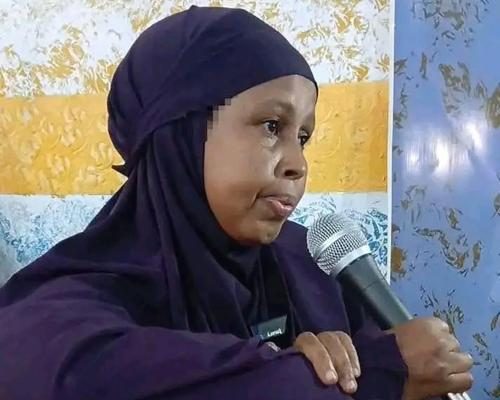
In a harrowing case that has stirred outrage across Somalia, Hodan Mohamud Diiriye was executed by firing squad on February 3, 2023, after being convicted of murdering her 14-year-old great-niece, Saabirin Saylaan. The tragic events unfolded in Galkayo, a city in central Somalia, following the girl's suspicious death in November 2022.
On November 12, 2022, Diiriye contacted her husband, Abdiaziz Nur Hashi, to inform him that Saabirin, who had been living with them for two months, was unconscious. The couple rushed the girl to a local hospital, where medical personnel pronounced her dead and promptly alerted the authorities. Diiriye, a 34-year-old mother of over ten children, was arrested shortly after the incident. Originally reported by The Guardian.
Public Outcry and Legal Controversy
Diiriye's case has drawn widespread public attention, particularly because it marks one of the rare instances in Somalia where a woman received the death penalty for child murder. Activists and legal experts have raised serious concerns regarding the fairness of the trial, given Somalia's deeply entrenched patriarchal legal system. Guleid Ahmed Jama, a lawyer and founder of the Human Rights Centre in Somaliland, criticized the country's justice system, stating, "The justice system in Somalia is very poor. It fails because the court system is decentralized and not established by a central government."
Homicides often go unpunished in Somalia, where clan-based systems typically settle disputes. The sensational nature of Diiriye's case-highlighted by her status as a woman accused of abusing a young girl-ignited intense media scrutiny and public outrage. Jama mentioned, "When Diiriye's case came up, because the alleged perpetrator was a woman, it became very, very sensational in the media." Such dynamics can severely affect the outcome of judicial proceedings.
Evidence and Trial Proceedings
During the investigation, police discovered multiple videos on Diiriye's phone that allegedly depicted Saabirin being tortured. These videos went viral on social media, intensifying public anger. A postmortem examination revealed that Saabirin had died from strangulation and bore numerous bruises and marks on her body. In response to the shocking details, family members and community members staged Protests, blocking access to the hospital mortuary to prevent the girl's burial.
Shukri Abdi Ali, head of the Women's Peace Network in Galkayo and a member of Saabirin's extended family, noted, "This case provoked an unprecedented reaction because of its nature. In our community, we have never witnessed a case like this, where an innocent young girl was subjected to such brutality by a woman." The incident contradicted the traditional belief that women are caretakers and protectors, further amplifying the case's impact.
Rushed Judicial Process Raises Concerns
Diiriye and Hashi's initial court appearance occurred on November 20, 2022, with hearings broadcast live due to the public interest surrounding the case. Hashi, who had moved out shortly before Saabirin's death, claimed ignorance of any abuse, while Diiriye pleaded not guilty. Her lawyer, Abdiaziz Mohamed Farah, contended that Diiriye was mentally unstable and unable to recall her actions during the incident.
The court convicted Diiriye of murder on December 15, sentencing her to death, while Hashi received a one-year prison term and was fined $500 for negligence. Farah has argued that the trial was unlawful, alleging that Diiriye was not provided with legal representation during her arrest and questioning. He expressed concern over the rushed nature of the proceedings, stating, "This case was mismanaged and instead of giving it the weight and care it needed, it was handled irresponsibly." He aimed to challenge the court's verdict but encountered significant obstacles.
In a country where public order is frequently lacking and traditional dispute resolution often supersedes formal legal channels, this case serves as a chilling reminder of the systemic issues plaguing Somalia's justice system. The swift execution of Diiriye has left many questioning whether true justice was served.
As Somalia continues to grapple with issues of gender inequality and legal reform, the case remains a focal point for activists who seek to ensure that justice is fairly and consistently administered, particularly for vulnerable populations like children.
Originally reported by The Guardian. View original.