
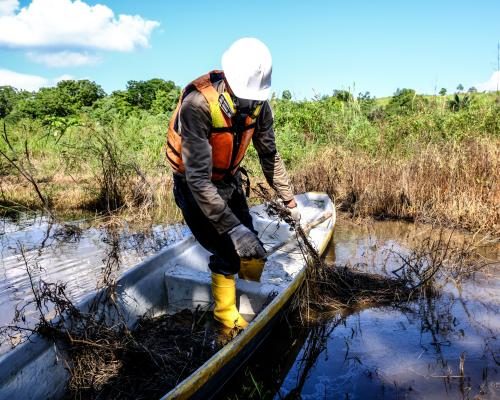
In Barrancabermeja, Colombia's oil capital, environmental devastation is unfolding as oil spills strangle the San Silvestre wetlands, threatening local wildlife and the livelihoods of fishing communities. Yuly Velásquez, president of the sustainable fishing organization Fedepesan, describes the situation as dire, saying, "The destruction is immense. For the fish, the animals and flora, it means immediate death." The region, known for its rich biodiversity, is now caught in a deadly intersection of oil production, environmental neglect, and violence from illegal armed groups.
Ecological Catastrophe in Biodiversity Hotspot
Barrancabermeja is home to crucial ecosystems, including swamps and lagoons that serve as habitats for endangered species like river turtles and manatees. However, the city also houses Ecopetrol, Colombia's largest oil company, which produces up to 250,000 barrels of oil daily, meeting 80% of the nation's fuel demands. Over the years, this refinery has faced serious allegations of environmental degradation, with reports indicating that it has released toxic waste and caused significant leaks into essential water sources. Originally reported by The Guardian.
According to a report by the Environmental Investigation Agency and Earthworks, over 800 cases of severe environmental damage attributed to Ecopetrol have been recorded, particularly from the mid-1990s to the mid-2010s. The findings, based on leaked documents known as the Iguana Papers, suggest a systematic effort to obscure these incidents, with a staggering 20% not reported to authorities. Despite Ecopetrol's insistence that it complies with environmental laws, local communities are witnessing a dramatic decline in fish populations and overall water quality.
Communities Bear the Brunt of Pollution
Local fishermen are feeling the effects of pollution acutely. Luis Carlos Lambraño, who has been fishing the area's waters for 37 years, laments, "Yet again, hundreds of fish, snakes, birds, turtles and caimans have died overnight. If we can't fish, we can't eat. I feel utter sadness." The contamination has extended to livestock as well, with Ronaldo Martínez, a water buffalo farmer, reporting that his animals have been poisoned by the polluted water. "We've had about 30 buffalo die on us this way in the last five years," he states, reflecting a troubling trend that has transformed once-vibrant ecosystems into Graveyards.
Armed Groups Exploit the Crisis
The environmental crisis is compounded by the rise of illegal armed groups, commonly referred to as "gasoline gangs," that have infiltrated Barrancabermeja. These groups target oil pipelines to siphon off fuel for illicit sale, exacerbating the pollution problem. Velásquez notes, "Every single day they steal the gasoline. They collect it in these massive plastic bags-when they break, it spills into all of the water." This illegal activity not only threatens local ecosystems but has also made fishing increasingly dangerous, with local activists facing intimidation and violence.
Velásquez herself has been a target of threats and violence for her activism. She has survived three assassination attempts, including one in which her bodyguard was shot. The presence of drones used by armed groups to track fishing boats has made it nearly impossible for local fishers to operate safely. "These groups have turned our waters into a battlefield," she adds, highlighting the dire situation faced by those who depend on these waters for their survival.
Ecopetrol's Controversial Operations
Despite the troubling reports and community outcry, Ecopetrol maintains that it adheres to environmental regulations. The company claims that it is actively working to contain and remediate spills, including a significant leak that occurred in October. Ecopetrol argues that historical contamination sites have been restored and that the data regarding environmental damage is misinterpreted.
However, for the riverside communities, the reality is starkly different. The ongoing oil spills continue to plague their fishing grounds, and the smell of petrol is an everyday burden. As fishers and farmers grapple with the loss of their livelihoods, the question remains: how much longer can this delicate ecosystem withstand the combined pressures of oil production and violence?
As the situation unfolds in Barrancabermeja, the intertwined fates of its environment, its people, and the oil industry will require urgent attention. Activists like Velásquez are determined to continue their fight for both ecological protection and community safety, even as they face significant threats from all sides.
Originally reported by The Guardian. View original.